

Khyber PATH
Professions for climate Adaptation, ecoTourism and Heritage
Project
Since 1955, the continuous work of the Italian Archaeological Mission in the Swat Valley in Khyber Pakhtunkhwa (KP) (CeSAV Ca’ Foscari University of Venice - ISMEO) has led to outstanding results in the fields of archaeology, restoration, and museography, as well as acquiring a profound knowledge of the context. Building on these foundations, this project aims to protect, promote, and enhance the cultural and natural heritage of KP with a focus on economic development.
In order to support national development plans, the project intends to contribute to the capacity-building of institutional bodies to foster climate change adaptation policies and the protection and conservation of heritage through certified on-the-job professional training; furthermore, the planned activities aim to encourage inclusive and sustainable economic growth of the community through ecotourism.
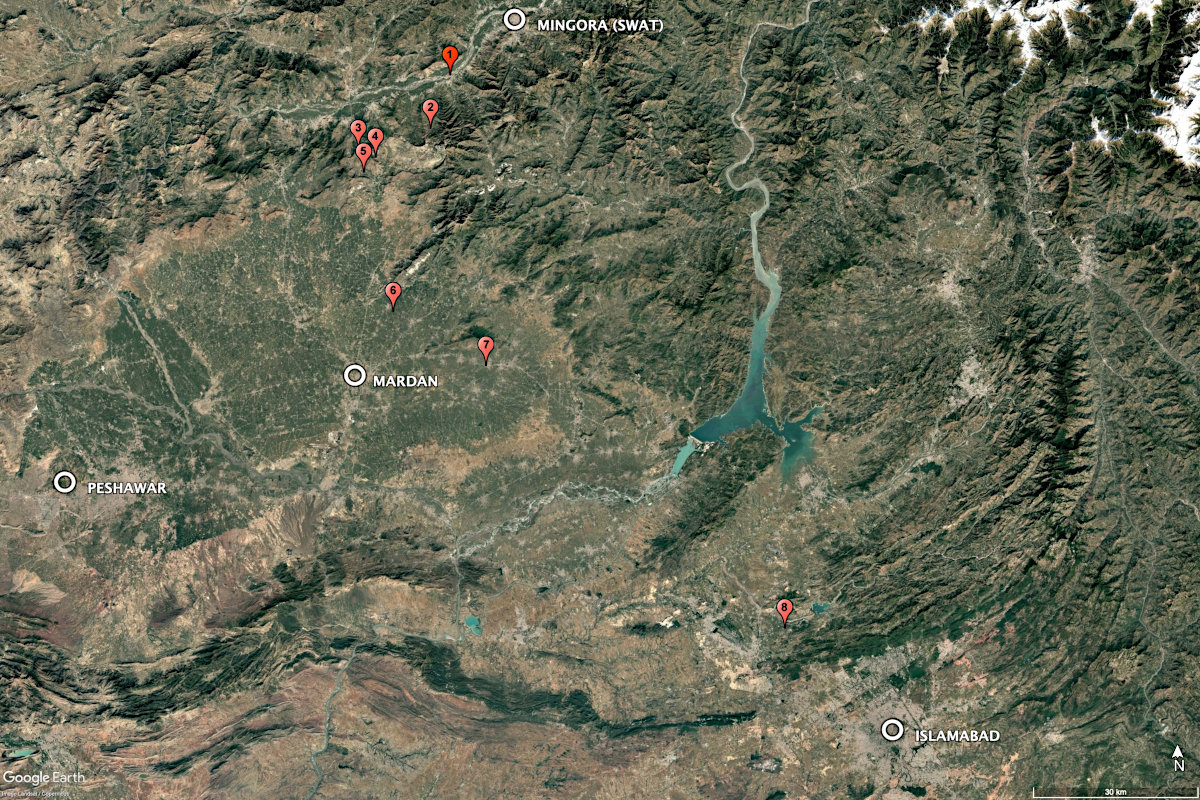
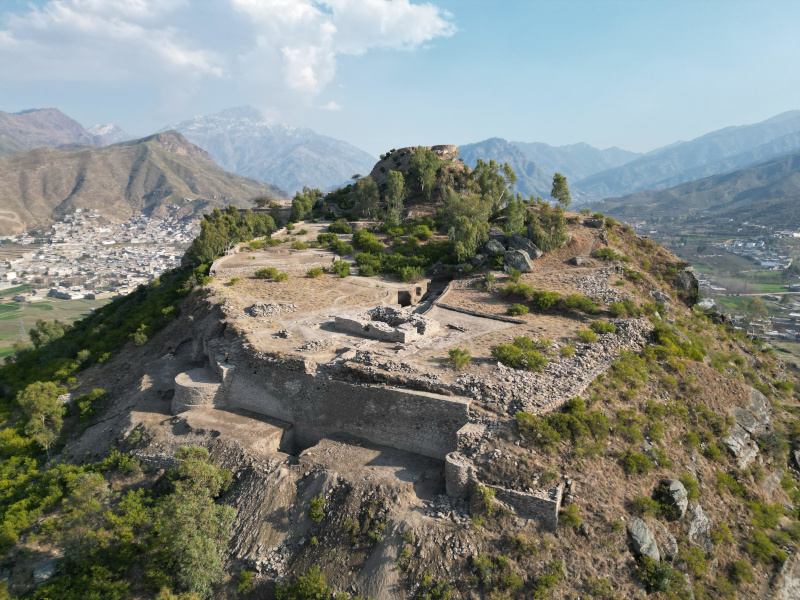
The project intends to create a route connecting archaeological sites that will generate employment and income opportunities, supporting entrepreneurship from the Swat Valley to the archaeological area of Taxila KP, along a route of approximately 125 km that connects the archaeological sites of Barikot (site 1), Zalamkot (site 3), Hati-lar (site 4), Palai (site 5), Thareli (site 6), Asota (site 7) and Taxila KP (site 8) through the “Trails of Wonders” (site 2) and the “Elephant Road” (cfr. site 4).
The project takes place in KP which, besides possessing an extremely rich cultural heritage, is also one of the areas most affected by the 2022 floods due to the damages sustained by hospitality infrastructures and archaeological sites.
Headquarters

Objectives
- General Objective: increase the safeguarding of cultural and natural heritage for socio-economic well-being
- Specific Objective: support socio-economic well-being linked to culture and sustainable responsible tourism
- Sustainable Development Goals of Agenda 2030:
- SDG 8.9: devise and implement by 2030 policies to promote sustainable tourism that creates jobs and promotes local culture and products (LOGO)
- SDG 11.4: strengthen efforts to protect and safeguard the world’s cultural and natural heritage (LOGO)

Expected Results
- Improve the management capacity of authorities in the tourism safeguarding and enhancement of cultural heritage
- Increase the supply of itineraries for cultural tourism in the provincial territory through the conservation, restoration, and enhancement of archaeological sites, including sites damaged by the 2022 floods
- Improve technical and vocational education and training (TVET) in line with the principles of green and digital transition, in the cultural heritage sector and in the responsible tourism supply chain
- Strengthen the responsible tourism supply chain at the provincial level
Beneficiaries
- 2.540 direct beneficiaries: university students, community members, provincial authority officials
- 17.000 indirect beneficiaries: families of direct beneficiaries, tourists, population of KP
Areas of Intervention
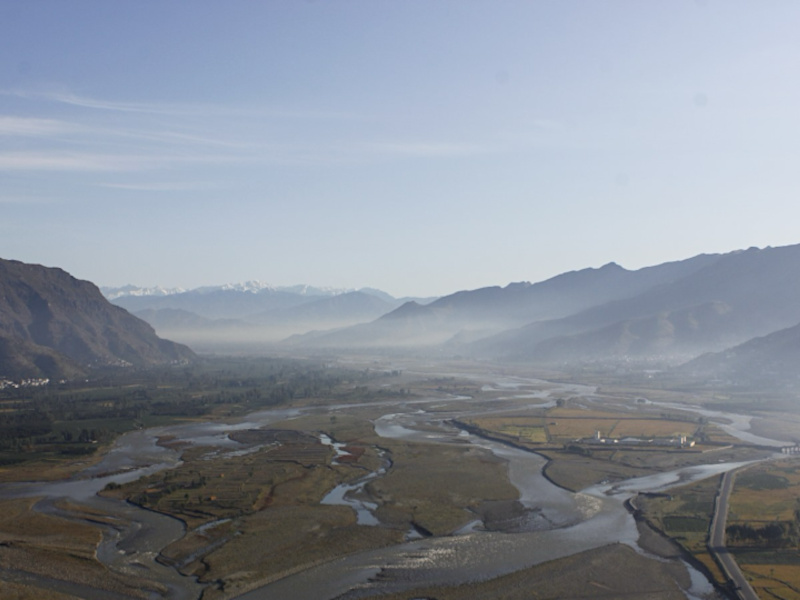
KP Province: from the Swat Valley to the border with the Punjab Province (archaeological area of Taxila in KP)
Interactive map of the excavations
See the Khyber PATH Project Google Map for more details on the excavations.
News
19/08/2026 - Bazira-Barikot added to Pakistan’s UNESCO World Heritage Tentative List
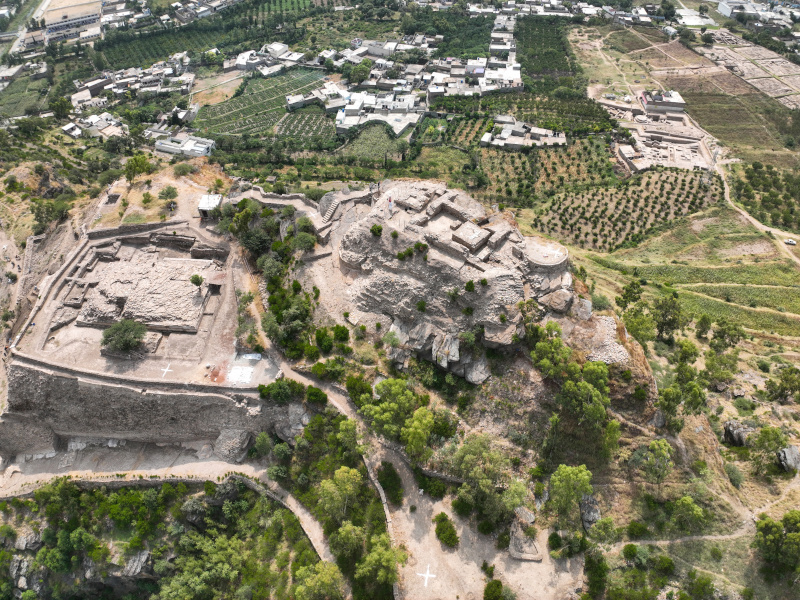
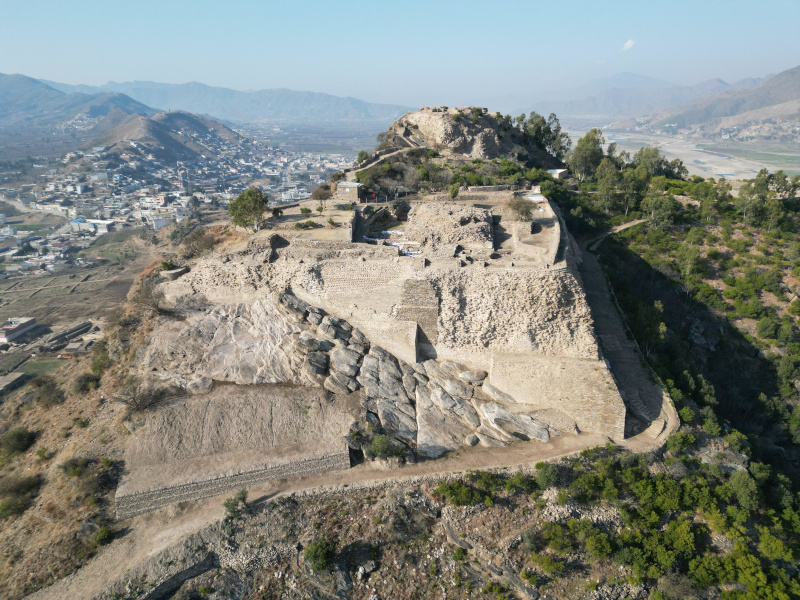
The archaeological site of Bazira-Barikot, home to the Italian Archaeological Mission of Ca’ Foscari University of Venice and ISMEO, directed by Professor Luca Maria Olivieri, and Site 1 of the CF Khyber PATH project, has been added in 2026 to Pakistan’s UNESCO World Heritage Tentative List.
The inclusion follows a request by the Federal Government of Pakistan and a proposal by the Government of Khyber Pakhtunkhwa, together with several other important archaeological and heritage sites in the province. Along with Bazira-Barikot, other important archaeological and monumental sites in the province have also been included on the Tentative List, including the Buddhist complex at Bhamala, Sethi House and the archaeological complex at Gor Khatri in Peshawar.
This represents an important recognition of the cultural heritage of Khyber Pakhtunkhwa and a significant step towards the international recognition, preservation and valorisation of Bazira-Barikot, which has been at the centre of the Italian Archaeological Mission’s research activities for many years. For further information, please visit the UNESCO World Heritage Centre website – Bazira-Barikot Tentative List.
9/06/2026 - Italy and Pakistan: 125 years of history and cooperation
On 9 June 2026 at 3:00 p.m., the event entitled “Italy & Pakistan: 125 years of history and cooperation” was held in the Giacomo Matteotti Hall of the Italian Chamber of Deputies in Rome. The meeting was dedicated to celebrating and strengthening the historical, cultural, and scientific ties between the two countries.
The event brought together representatives from academia and the archaeological research community, highlighting the important role of Italian missions abroad in promoting international scientific cooperation.
Among the invited participants was Professor Luca Maria Olivieri, representing both the Italian Archaeological Mission of ISMEO and the Department of Asian and North African Studies (DSAAM) at Ca’ Foscari University of Venice. Since 2025, the Department has also been implementing the three-year KhyberPATH project in Pakistan, funded by the Italian Agency for Development Cooperation (AICS).
The meeting provided a valuable opportunity to showcase and discuss archaeological research initiatives and Italian–Pakistani academic collaborations, which for many years have contributed to the study, preservation, and promotion of the region’s rich historical and cultural heritage.
25/10/2025 - In Saidu Sharif, the 70th anniversary of the Italian Archaeological Mission and the launch of Khyber PATH
On October 25, 2025, in Saidu Sharif, in the Swat Valley (Pakistan), the 70th anniversary of the Italian Archaeological Mission in Pakistan was celebrated, which has been continuously active since 1955. Today, the mission is co-managed by ISMEO and Ca’ Foscari University of Venice. The celebrations highlighted the historical role of the mission in enhancing Pakistani cultural heritage at an international level and in strengthening cultural cooperation between Italy and Pakistan. The commitment to training young Pakistani archaeologists and promoting eco-tourism, which had already started with the ACT project (2011-2017), was also recalled. During the event, the new three-year project Khyber PATH (Professions for Climate Adaptation, ecoTourism and Heritage) was launched, managed by Ca’ Foscari with Pakistani partners and funded by the Italian cooperation with 3 million euros. The project aims to protect the archaeological sites of northern Pakistan, improve their accessibility and legibility, and strengthen a sustainable tourism supply chain along a route of approximately 125 km between Taxila and Barikot, connecting eight sites. The director of the mission, Luca Maria Olivieri, announced an important ongoing discovery in Zalamkot: a large city of the Gandhara civilization, possibly identifiable with the ancient Jayapālanagara, thanks also to the collaboration of the local community. In 70 years, the mission has produced over 1,000 publications and has become a point of reference not only scientifically, but also for cultural cooperation, sustainable development, and the social and economic enhancement of the Pakistani archaeological heritage.