

News


The initiative launched by the University of Catania’s CoEHAR as part of the PNRR TNE-LEGO project has reached a major scientific milestone: the publication of the first international recommendations specifically addressing smoking cessation in people with type 2 diabetes.
Published in the scientific journal Diabetes Research and Clinical Practice, the document was developed by the DiaSmokeFree Working Group, an initiative conceived and coordinated by the Center of Excellence for the Acceleration of Harm Reduction (CoEHAR). This multidisciplinary group brings together 35 experts from 13 countries across five continents.
Through a structured international consensus process, the panel developed 34 evidence-based recommendations. The aim is to move beyond simply advising patients to quit smoking and instead integrate smoking cessation into routine diabetes care through personalised pathways encompassing pharmacological treatment, behavioural support, metabolic monitoring, and relapse prevention.
The publication marks a significant advancement in the training, academic exchange, and scientific cooperation activities initiated by CoEHAR with Universitas Padjadjaran in Indonesia under the Advanced Skills actions of TNE-LEGO. This achievement confirms the value of the international collaboration fostered by the project, which has transformed mobility and knowledge sharing into practical tools and guidance with a tangible impact on clinical practice worldwide.
The study was supported by the Italian Ministry of University and Research under the NRRP HEAL Italia and LEGO programmes.
For further information, read the article published by CoEHAR

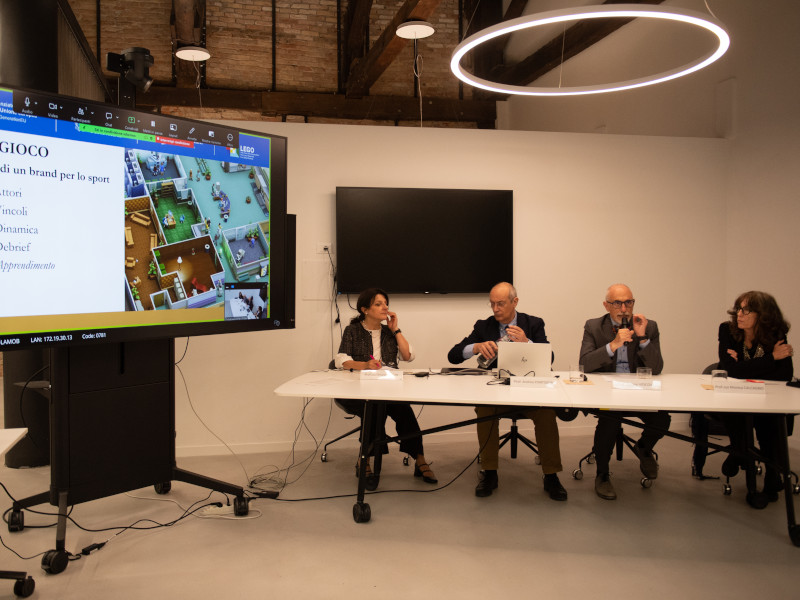
The PNRR TNE‑LEGO project is reshaping university teaching by introducing innovative approaches based on Game‑Based Learning (GBL) and active experimentation in international contexts. The presentations developed within the Work Package 6 on managerial competencies show how games are no longer a motivational add‑on, but a true laboratory for learning internationalisation.
At the core of this shift lies a new paradigm: learners are no longer passive recipients but active agents, invited to explore global scenarios, make decisions, interpret data, negotiate meaning and update their strategies. The learning cycle unfolds as a continuous sequence of challenge - choice - consequence - feedback - reflection - new strategy, making reasoning visible and turning mistakes into learning material.
The presentations highlight how GBL enables learners to engage with complex topics such as cultural distance, global team management, cross‑cultural marketing, entry modes and international negotiation. Through design matrices combining play, game, mystery and puzzle, internationalisation becomes an investigable experience where markets, cultures, clients and partners become playable scenarios.
The technological ecosystem integrates adaptive AI, digital agents, synthetic data and unified simulation environments, enabling personalised learning and the observation of competencies such as cultural interpretation, contextual decision‑making, global leadership and marketing localisation. In this model, the instructor becomes an experience designer, facilitator, coach and debriefer, transforming action into transferable knowledge.
Through LEGO, game‑based learning emerges as a strategic lever for rethinking university teaching, especially in international contexts: knowledge is no longer something to be transmitted, but something to be constructed, discussed and applied through a continuous cycle of exploration and decision‑making.
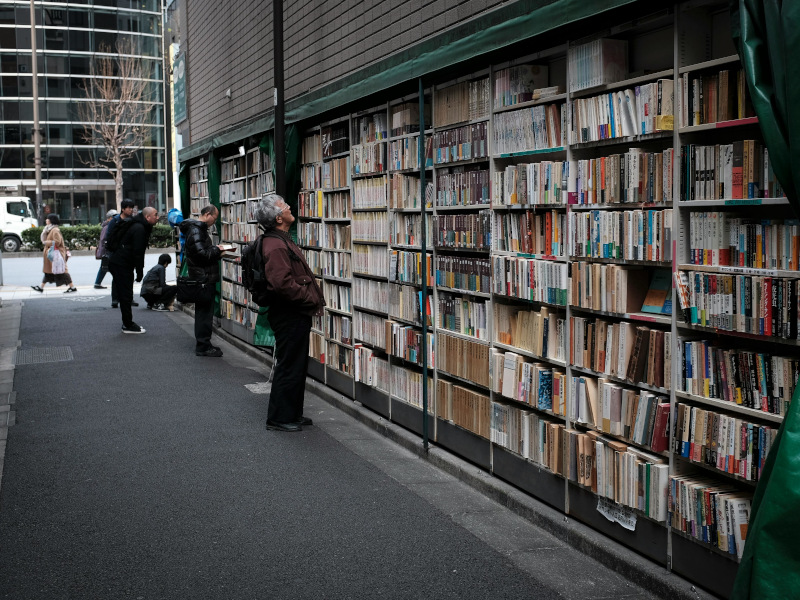
As part of the Advanced Skills activities of the PNRR TNE‑LEGO project, the University of Bergamo has strengthened its international strategy within Work Package 4 Cross‑cutting Activities: Languages and Cultures by organising a specialised training programme on Japanese literature in a global perspective.
The initiative, led by Prof. Sugiyama Kin’ya from Kanazawa University, consisted of four seminar sessions titled “Teaching and Studying Japanese Literature in a Global Context”. The programme was designed for faculty members, language instructors, PhD candidates and Master’s students in Japanese Language and Culture, offering an advanced exploration of teaching methods and research approaches to Japanese literature within international and transcultural frameworks.
This activity aligns with the University’s commitment to enhancing the global dimension of teaching and research, contributing to the broader goals of the TNE‑LEGO project: fostering advanced linguistic and cultural skills, strengthening academic dialogue between Italy and East Asia, and supporting the development of professionals equipped to operate in global contexts.


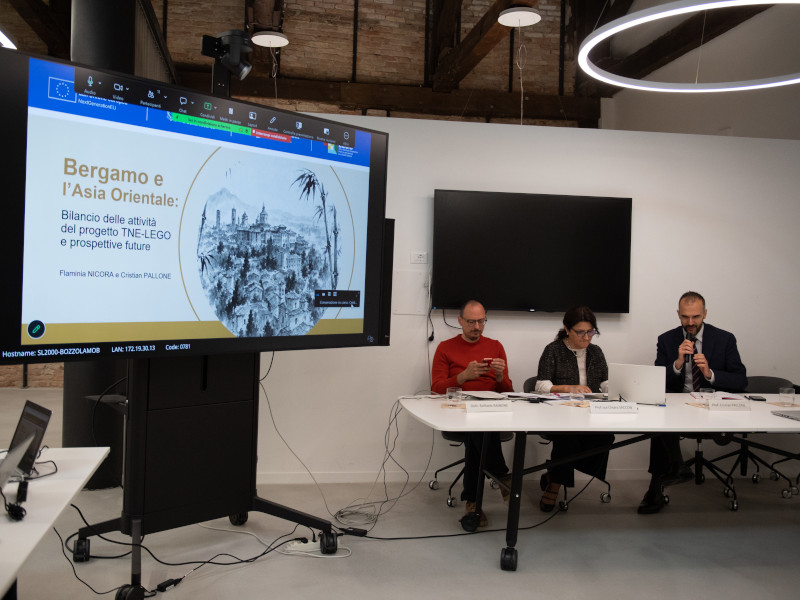
At the final dissemination event held on 14 May 2026, the University of Bergamo presented the results of the activities carried out within the PNRR TNE‑LEGO project, highlighting the strategic role of the University in fostering cooperation with East and Southeast Asia. Thanks to the project, UniBG has strengthened existing agreements, expanded collaborations, and opened new pathways for mobility and research with China, Japan, South Korea and Vietnam.
The project has played a key role in extending long‑standing partnerships with Chinese universities and in launching new collaborations, including a student and staff exchange channel with Hanoi University. The activities involved a significant number of participants: 14 incoming mobilities and 40 outgoing mobilities, with destinations such as Xi’an Jiaotong Liverpool University, Ritsumeikan University, Dong’A University, Dalian University of Foreign Languages and other institutions in the region.
Among the most relevant outcomes is the development of the project “Linguistic Landscapes, Cultural Heritage and Communities on the Move”, which integrated teaching, research and third‑mission activities through collaborations with XJTLU and connections with the PRIN‑ECCO project. As part of the Advanced Skills programme, UniBG also organised the seminar series “Teaching and Studying Japanese Literature in a Global Context”, led by Prof. Sugiyama Kin’ya (Kanazawa University).
The project contributed to increasing the participation of STEM students in mobility programmes to South Korea and supported the expansion of agreements with Japan, also thanks to the institutional mission to Expo 2025. Relations with China remain central, with new framework agreements, exchange programmes and prospects for double‑degree pathways.
Looking ahead, UniBG hopes that the legacy of TNE‑LEGO will be an increasingly horizontal collaboration among Italian universities, capable of generating shared best practices and common tools to strengthen teaching, research and third‑mission activities in cooperation with East Asia.
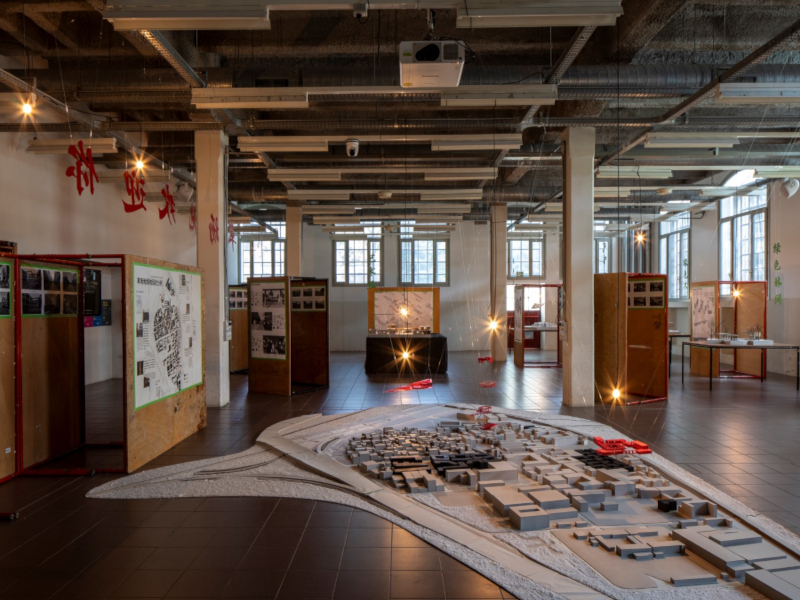
As part of the PNRR TNE LEGO project, the Università Iuav di Venezia presented the outcomes of its internationalisation activities through WAVe, the major international architecture workshop active from 2002 to 2026. WAVe is one of Iuav’s most distinctive educational initiatives: every year, between June and July, more than 1,800 students take part in three weeks of intensive work across 20 ateliers led by architects from around the world.
The 2025 edition, dedicated to LABOR. New workplaces, theories and forms of collaboration, welcomed a wide range of international universities, including the Bartlett School of Architecture (London), Bauhaus Universität Weimar, CEPT University (India), École d’architecture Paris Est, Feng Chia University (Taiwan), ITESO (Mexico), TU Delft, the University of Southern Denmark, and—thanks to the TNE LEGO project—the Central Academy of Fine Arts (CAFA) in Beijing.
Through LEGO, WAVe hosted two CAFA professors, Wang Xiaohong and Zhang Xi, as well as 14 students from Myongji University, further strengthening the international dimension of the initiative.
In 2026, WAVe will explore the theme BALANCE, inviting participants to reflect on new forms of spatial and collaborative equilibrium in a global context marked by uncertainty, adaptation and mutual support. The 2026 edition will again include Myongji University, with 10 students and Professor Kyeong Jae Lee.
Through WAVe, Iuav reaffirms its role as an international design laboratory, capable of combining local roots with global horizons, and contributing significantly to the objectives of the TNE LEGO project in the fields of architecture, academic cooperation and intercultural training.

From 12 to 16 January 2026, the University of Milan hosted the Winter School “Law along the Silk Road. Roman Legal Tradition, Language, Economy”, an Advanced Skill activity within the PNRR TNE‑LEGO project. The initiative, funded by the Italian Ministry of University and Research, brought together Italian and Chinese scholars to deepen the legal dialogue between the Roman law tradition and contemporary China.
The five‑day programme offered lectures, workshops and discussion sessions on key themes for academic cooperation between Italy and East Asia: EU‑China relations, the evolution of the Belt and Road Initiative, rail logistics along the new Silk Roads, and economic infrastructures in Myanmar. Significant attention was also devoted to legal reasoning and artificial intelligence, with three sessions led by Prof. Francesco Giglio.
The Winter School, which involved faculty members and students from the Chinese universities of Xiamen, Suzhou and Shaanxi Normal University in Xi’an, further explored the relationship between the Chinese Civil Code and the Roman legal tradition, the process of ecological “recodification” of law, and a series of comparative legal institutions presented by young Italian and Chinese scholars. The programme also included insights into the history of Milanese justice and the presentation of the new Italian translation of Justinian’s Digest.
Coordinated by Prof. Iole Fargnoli, the initiative reaffirmed the role of the University of Milan as an academic bridge between different legal cultures, in line with the project’s objective: strengthening Italy‑Asia cooperation through advanced training, knowledge exchange and interdisciplinary dialogue.

As part of the PNRR TNE‑LEGO project Italy-East Asia Cooperation: from Local Expertise to a Global Outlook, the University of Enna Kore has developed a strategic scientific partnership with the China Institute of Water Resources and Hydropower Research (IWHR) in Beijing, coordinated by Prof. Gabriele Freni of the Department of Engineering and Architecture. Formally launched with the signing of a Memorandum of Understanding on 14 March 2025, the collaboration represents one of the project’s most structured contributions within the macro‑area of Science and Technology for Sustainability.
The five‑year MoU provides for exchanges of faculty, researchers and students, joint research activities, sharing of data and academic materials, and the development of common training initiatives. The cooperation focuses on key themes for both countries: climate change, hydro‑geological risk, water resource management and the socio‑economic impacts of hydro‑climatic disasters.
In January 2026, a UKE delegation led by Director Prof. Francesco Castelli visited the IWHR headquarters in Beijing, initiating a technical dialogue on urban water infrastructures, flash floods, geological instability and intelligent dam monitoring. The visit included meetings with IWHR research centres and discussions on potential double‑degree pathways and participation in the Hydro ASIA programme.
Between April and May 2026, Enna hosted a specialised lecture cycle delivered by IWHR faculty within the L‑7, LM‑23 and LM‑35 degree programmes. The modules addressed topics such as flash‑flood management in China, the national early‑warning system, analysis of recent extreme events and methodologies for identifying critical risk points. These sessions offered students direct exposure to approaches, datasets and technologies used by one of the world’s leading water‑research institutes.
In parallel, seven lines of action were defined to guide future cooperation: bilateral student mobility, faculty and researcher exchanges, participation in the IWHR Hydroinformatics master’s programme, joint Italy–China research projects, UKE involvement in national Chinese programmes, the design of a new master’s degree on the digital transition of the water sector, and applied research activities with the municipalities of Enna and Gela.
Achievements to date include the signing of the MoU, the institutional visit to Beijing, the delivery of four IWHR teaching modules in Enna, the definition of the cooperation framework and the establishment of a network of institutional partners across Italy and China. Future steps include the launch of the first mobility flows in the 2026/2027 academic year, UKE’s participation in the IWHR master’s programme, submission of a proposal to the next Italy-China bilateral research call, and the start of a pilot project on urban hydraulic protection.
Prof. Freni’s contribution confirms UKE’s role as a scientific bridge between the Mediterranean and China, strengthening the international dimension of research and education in the water sector and advancing the objectives of the TNE‑LEGO project.
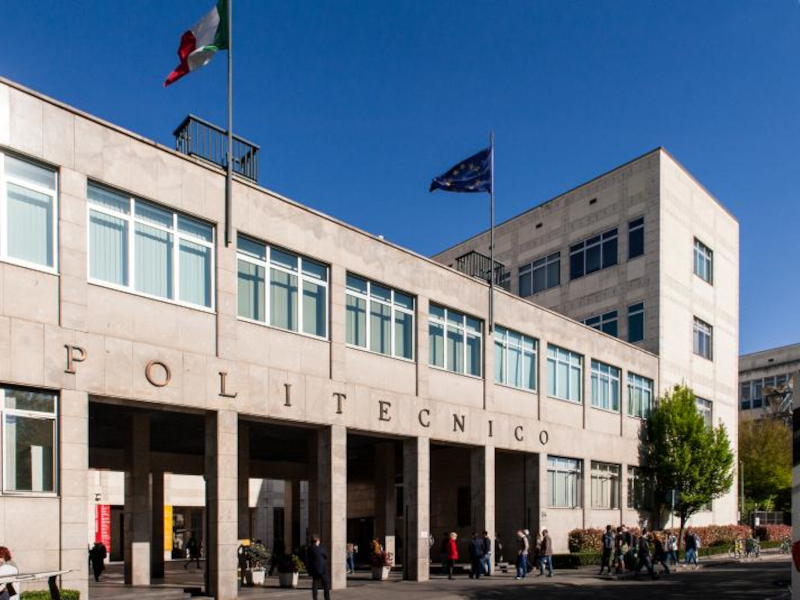
At the final dissemination event held on 14 May 2026, the Politecnico di Torino presented the results of the activities carried out within the PNRR TNE‑LEGO project, highlighting the University’s strategic role in fostering cooperation with East Asia. Thanks to the project, PoliTO has strengthened existing agreements, expanded collaborations, and opened new pathways for mobility and research with China and Japan.
In China, PoliTO can rely on a well‑established network of partnerships: the South China–Torino Lab at South China University of Technology, the Energy Transition Lab at Shanghai Jiao Tong University, and the long‑standing collaboration with Tongji University, alongside joint initiatives with Tsinghua University. Since 2027 the PoliTO China Center has coordinated and enhanced these relations, supporting a community of over 800 Chinese students in Turin and a network of 3,000 alumni.
Japan represents the other cornerstone of PoliTO’s Asian strategy. With the Japan Hub—established in 2023 and based in Tokyo since 2025—the University has strengthened collaborations in aerospace, robotics, materials science, biomedical engineering, architecture, and seismic engineering. Partnerships include leading institutions such as the University of Tokyo, Tokyo Institute of Technology, Hokkaido University, Kyoto Institute of Technology, Waseda University and Tohoku University.
The TNE‑LEGO project has significantly supported mobility: 5 incoming and 12 outgoing student flows, involving Master’s programmes in architecture, mechanical engineering, chemical engineering, computer science, and sustainable process engineering. Academic mobility has also been substantial, with 5 incoming and 10 outgoing staff flows across China and Japan, covering fields such as architecture, design, electronics, telecommunications, materials science, and urban planning.
Looking ahead, PoliTO confirmed its commitment to developing the double‑degree programme with the Kyoto Institute of Technology in Materials Engineering, currently undergoing updates and expansion, with the aim of including new study programmes and increasing student participation.
The activity report highlights how TNE‑LEGO has strengthened an already solid presence, enhancing the Politecnico di Torino’s capacity to act as a bridge between Europe and East Asia through high‑quality mobility, scientific cooperation, and an ever‑growing international network.

Within Work Package 6 – Cross‑cutting Activities: Management and Economics for Society, the PNRR TNE‑LEGO project has strengthened a line of research and educational innovation focused on relations between Italian and Asian enterprises, intercultural managerial competencies, and new learning models for international training. In this context, the contribution of Prof. Andrea Pontiggia (Ca’ Foscari University of Venice) has been one of the key pillars of the activities developed in the economic‑managerial macro‑area.
Prof. Pontiggia’s work has centred on the development of advanced Game‑Based Learning models and interactive strategic simulations applied to International Human Resource Management and Cross‑Cultural Marketing. This approach goes beyond the idea of games as simple teaching aids: game‑based learning becomes a true paradigm shift, where the learner is no longer a passive recipient but an active agent who explores, decides, makes mistakes, reflects, and updates their strategies.
The activities included the design of modular and localised scenarios, based on synthetic data and real situations from Asian markets, with the aim of transforming internationalisation from an abstract topic into an investigable experience. Through design matrices, mystery and puzzle simulations, decision labs and experimental environments, students engaged with challenges related to cultural distance, global team management, entry modes, intercultural marketing and negotiation.
A distinctive element of Prof. Pontiggia’s contribution has been the integration of artificial intelligence as a tool to personalise learning and assess competencies. The technological infrastructure developed includes:
- adaptive AI to modulate difficulty and recognise learning styles
- digital agents simulating complex interlocutors in HR and marketing scenarios
- analytical dashboards to monitor performance, decisions and strategies
- immediate feedback systems to make learners’ reasoning visible
The activities also involved the design and testing of prototypes developed with tools such as Unity, Unreal Engine, Twine, H5P and collaborative simulation environments (Miro, FigJam), along with usability testing and multi‑platform optimisation sessions.
From a scientific perspective, the contribution has enabled the mapping of key competencies required to operate in international contexts: cultural interpretation, contextual decision‑making, global leadership, localisation of marketing messages, and the management of trade‑offs between standardisation and adaptation. In this model, the role of the instructor evolves into that of designer, facilitator, coach and debriefer, capable of guiding the open/closed learning cycle and transforming experience into transferable knowledge.
The work carried out within WP6 has thus strengthened the managerial dimension of the TNE‑LEGO project, providing innovative tools to understand and navigate the complexity of Asian markets and to train professionals capable of operating in global contexts through an experiential, comparative and data‑driven approach.
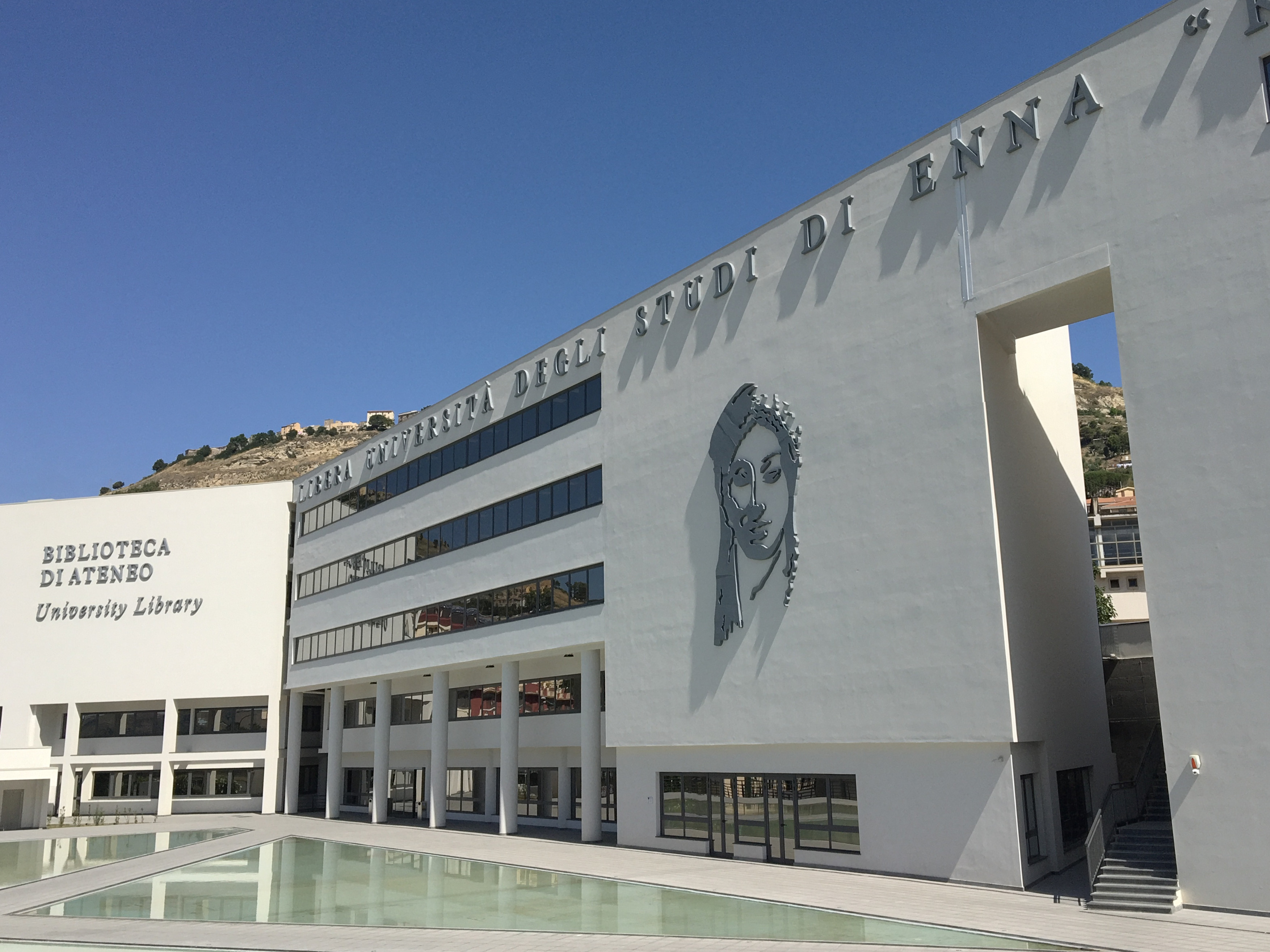
At the final dissemination event held on 14 May 2026, the University of Enna Kore presented the results of its activities within the PNRR TNE‑LEGO project, highlighting the University’s role in fostering academic and cultural dialogue between Italy and East Asia. UKE contributed through three modules — Engineering, Law, and Foreign Languages and Cultures — with a specific focus on cooperation with the Dalian University of Foreign Languages (DaWai).
The Foreign Languages and Cultures module, coordinated by Prof. Alessandro Tosco, developed a structured programme of mobility, academic exchanges and advanced seminars. Activities included the incoming mobility of four students of Italian Studies for a two‑month stay, reciprocal teaching and research exchanges between UKE and DaWai, and joint initiatives in teaching and scholarship. These exchanges strengthened the academic network and offered participants meaningful intercultural experiences.
A central element of the programme was the seminar cycle dedicated to translation and cultural mediation, approached through interdisciplinary and comparative perspectives. Topics ranged from the reception of Chinese literature in Italy to retro‑translation practices, from the circulation of texts between China and Europe in the 17th and 18th centuries to the translation and reception of Italian literature in China, and the challenges of teaching Chinese to Italian speakers. Activities included linguistic workshops, textual analysis and hands‑on sessions on printing and bookbinding techniques.
The project also supported cultural initiatives such as the 2026 International Chinese Language Day, themed “Real China and Imagined China”, featuring a lecture on contemporary language policy and multilingualism in the PRC. In parallel, DaWai hosted seminars on Sino‑Italian cultural exchanges during the Ming and Qing dynasties and on the figure of Prospero Intorcetta, a pioneer in translating Confucian classics into Latin.
The activity report highlights significant impacts at academic, educational and cultural levels: strengthened partnerships, new research opportunities, development of intercultural competencies and deeper mutual understanding between the two regions. Looking ahead, UKE aims to expand student mobility, reinforce scientific cooperation and develop new shared teaching pathways, in line with the project’s vision: “from local expertise to a global outlook”.
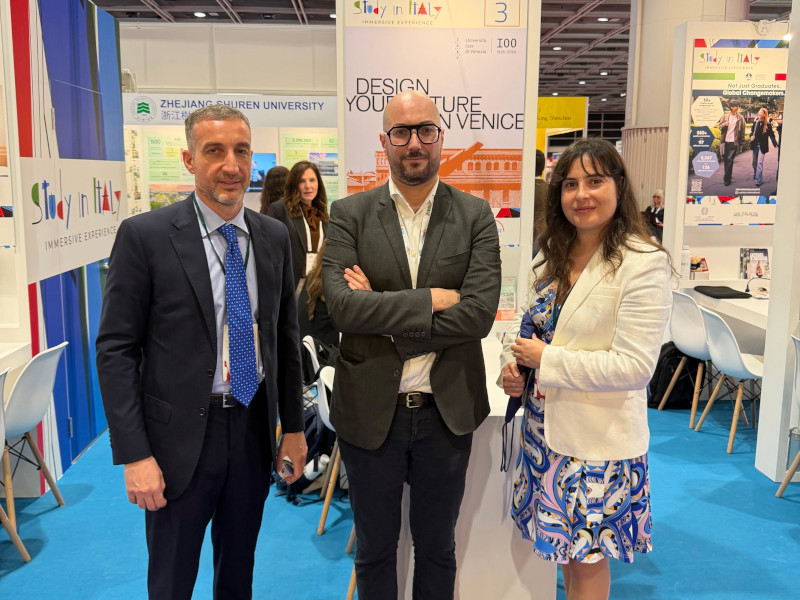
In line with LEGO’s objectives to strengthen relations between Italian and Asian universities, Gianluca Zucconelli, Head of the Orientation, Internationalisation and Post‑Graduate Division, took part in the APAIE 2026 Conference, which brings together educators and organisations active across the Asia‑Pacific region. This year’s edition was held from 23 to 27 February at the Hong Kong Convention and Exhibition Centre.
The convention offered a valuable opportunity to meet representatives from prestigious Asian universities, including Hong Kong Polytechnic University and The Chinese University of Hong Kong. It also provided an occasion to further consolidate the relationship with Tongji University, a key partner with whom Iuav is developing a joint educational offer, including collaborative programmes in architecture, urban planning and sustainable urban development.
The event was also attended by Giuseppe Ficarra, Consul General of Italy in Hong Kong, and Alice Fratarcangeli, Director of the Italian Cultural Institute in Hong Kong. Their presence enabled a fruitful reflection on the strategic value of the TNE‑LEGO project in strengthening ties with Asian institutions.
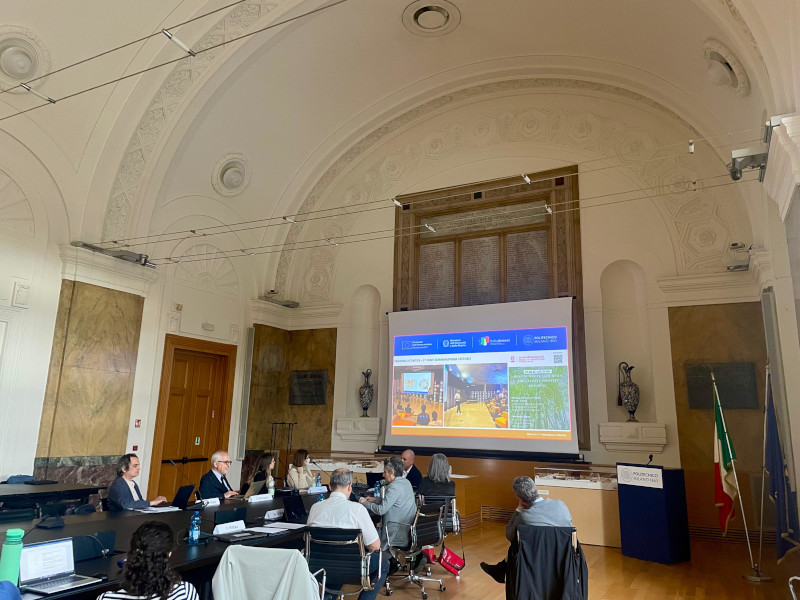
As part of the final dissemination event of the PNRR TNE‑LEGO project, the Politecnico di Milano presented an overview of its activities in East Asia, confirming the University’s strategic role in international cooperation across Architecture, Design and Engineering. Building on a consolidated network of more than 50 mobility agreements, 15 double degrees and the Polimi–XJTU Joint School in Xi’an, the University has expanded its collaborations with key partners identified as priorities for the project.
TNE‑LEGO activities have involved universities in China (Tsinghua University, Xi’an Jiaotong University), Japan (Doshisha University, Keio University, Kyoto University, The University of Tokyo, University of Tsukuba), Thailand (Chulalongkorn University) and Vietnam (Vietnamese German University, Hanoi University of Natural Resources and Environment). The shared goal has been to strengthen joint research, expand student mobility and develop innovative double‑degree pathways through a comparative and collaborative approach across disciplines and contexts.
Student mobility recorded 20 incoming and 21 outgoing flows, with particularly significant exchanges with China and Japan. Incoming students came mainly from Tsinghua University (11) and Xi’an Jiaotong University (3), while outgoing students chose destinations such as Keio University (8), Kyoto University (3) and the University of Tsukuba (3). Thailand also played an active role through exchanges with Chulalongkorn University.
Faculty mobility involved 9 departments for incoming flows and 5 departments for outgoing ones, with a total of 7 incoming and 9 outgoing faculty members. Research areas developed through these exchanges include Human‑Centered Design, lightweight and composite structures, hydrogen technologies, sanitation and water resources, computational methods for sustainable buildings, innovative timber systems, hydrology, seismic‑resistant architectural design, robotics, natural fibre composites, green aviation, urban welfare, biomedical AI and sustainable construction technologies.
Mobility activities have deepened shared research themes, facilitated the exchange of best practices and strengthened engagement with local industrial ecosystems. During their stays, faculty delivered intensive teaching formats — lectures, seminars and workshops — and short video testimonials were collected to document the richness of this collaborative model.
The activity report confirms that TNE‑LEGO has further strengthened the Politecnico di Milano’s presence in East Asia, expanding opportunities for research, education and academic cooperation through a comparative and interdisciplinary perspective.
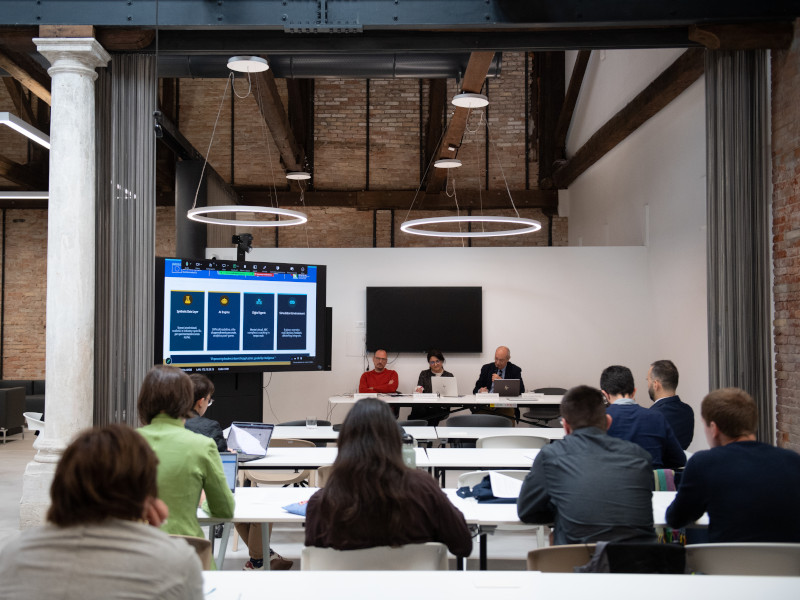
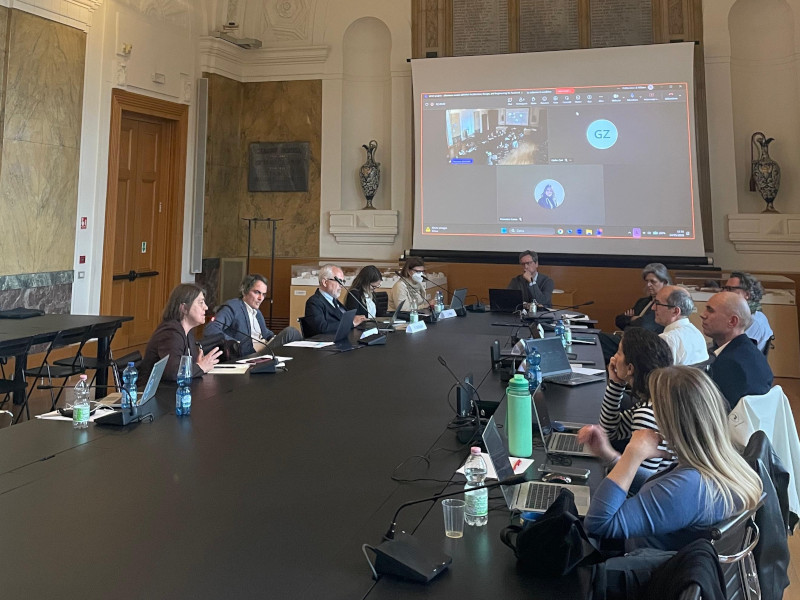
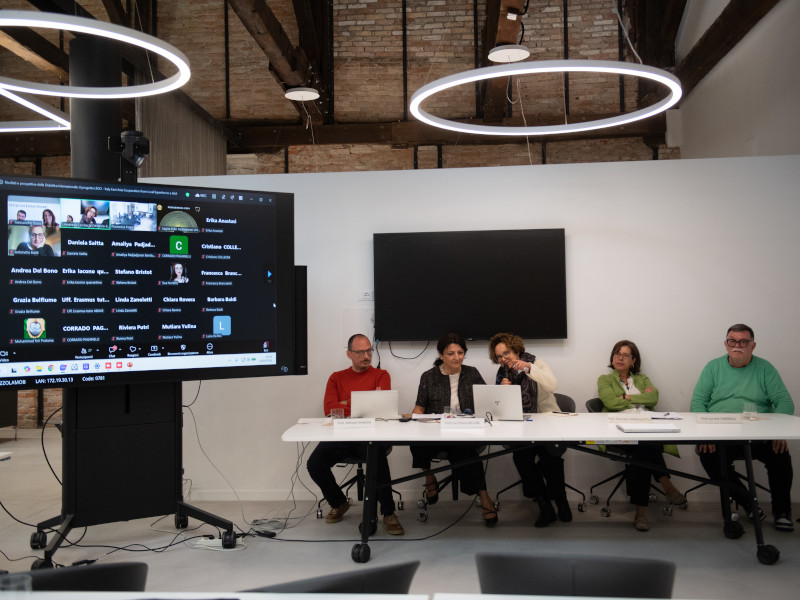
On 14 May 2026, the final dissemination day of the PNRR TNE‑LEGO project Italy-East Asia Cooperation: from Local Expertise to a Global Outlook brought together three universities — Ca’ Foscari University of Venice, Politecnico di Milano, and the University of Enna Kore — in a coordinated, multi‑site event. The morning session, held simultaneously in Venice, Milan and Enna and streamed online, gathered around fifty participants in person and as many remotely, offering a shared overview of the project’s achievements in international mobility, educational innovation and academic cooperation with East Asia.
- The day opened with institutional greetings and the presentation of the project’s final results by Chiara Saccon and Raffaele Rainone (Ca’ Foscari). The first session, dedicated to Advanced Skills, highlighted the experiences developed across partner universities: scientific collaboration between the University of Catania and Universitas Padjadjaran (Indonesia), glottodidactic training seminars coordinated by Ca’ Foscari, and the University of Milan’s Winter School Law along the Silk Road, among others.
The second part of the morning featured the TNE‑LEGO Dialogues, with contributions from IUAV, Politecnico di Milano, Politecnico di Torino, Politecnico di Bari, Ca’ Foscari, UNIKORE, the University of Naples L’Orientale and the University of Bergamo. Presentations showcased the diversity of the project’s activities: internationalisation strategies, joint research initiatives, gaming‑based learning, academic exchanges, and collaborative projects in architecture, engineering, languages and cultural studies. - In the afternoon, each host university offered a thematic deep‑dive aligned with the project’s three macro‑areas: Languages and Cultures, Science and Technology for Sustainability, and Management and Economics for Society.
- In Venice, the Open Lectures explored game‑based learning, digital‑era educational challenges and cultural dynamics in contemporary Asia.
- In Milan, the symposium Architecture, Design and Engineering for Sustainability brought together Italian and Asian scholars to discuss innovation, sustainable design and scientific cooperation.
- In Enna, the roundtable focused on Chinese language studies, linguistic landscapes, cultural exchange and academic collaboration with the Dalian University of Foreign Languages.
The event confirmed the project’s capacity to build a stable ecosystem of cooperation between Italy and East Asia, enhancing local expertise through global perspectives and strengthening ties across mobility, joint research and innovative teaching practices.
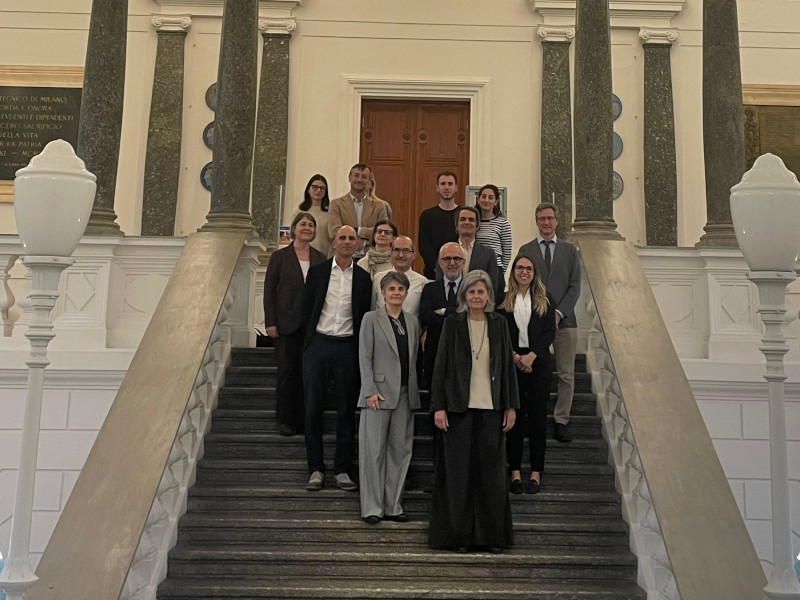
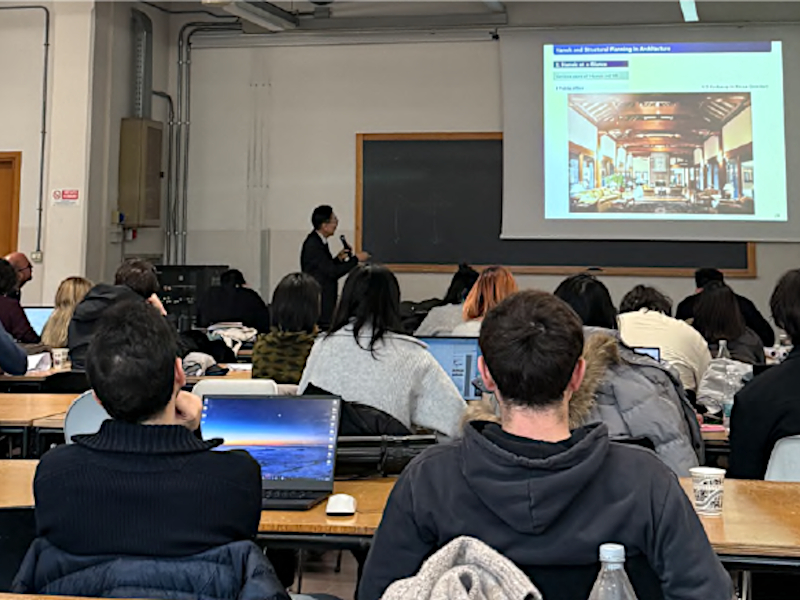
In January 2026, Prof. Yeongmin Kim from the College of Architecture at Myongji University (South Korea) carried out an intensive academic mobility period at IUAV University of Venice within the framework of the TNE LEGO project.
Throughout his stay, Prof. Kim engaged in a wide range of teaching and research activities, including:
- a special lecture on structural planning in architecture, focusing on traditional and contemporary timber systems;
- a joint design critique within Prof. Andrea Iorio’s architectural design studio, centred on sustainable strategies for fragile landscapes and archaeological sites;
- visits to IUAV’s major research laboratories, including LabMeS (Materials and Structures), FisTec (Environmental Technical Physics), LAMA (Historic Materials), and the CIRCE Geomatics Laboratory;
- an in-depth tour of the Architectural Project Archive, dedicated to the preservation and study of modern and contemporary architectural documentation;
- architectural field studies in Venice and several historic cities across Veneto and Emilia-Romagna, aimed at observing construction techniques, materials, and architectural typologies across different historical periods.
The mobility experience highlighted IUAV’s integrated approach to architectural education, combining teaching, experimental research, archival study, and site-based learning. Prof. Kim also emphasized the strong relevance of these activities for future cooperation between IUAV and Myongji University, particularly in the fields of fragile landscape design, historic material conservation, and experimental structural research.
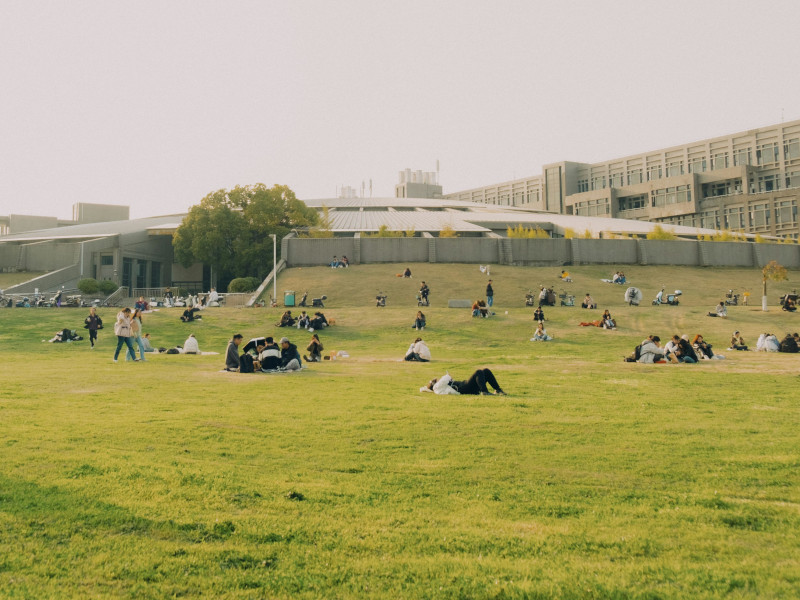
During the Autumn semester 2025/2026, Laura Pizzocheri, a student at the University of Bergamo, completed a study period at Ritsumeikan University as part of the TNE LEGO project. Throughout her stay, Laura attended university courses, engaged with local students and faculty, and experienced significant personal and academic growth in an international environment.
At the end of her mobility, she wrote a detailed testimonial describing the preparation process, the challenges she faced upon arrival, her daily life in Japan, and the educational value of travel and intercultural exchange.
The full statement is available as an attachment to this news item.
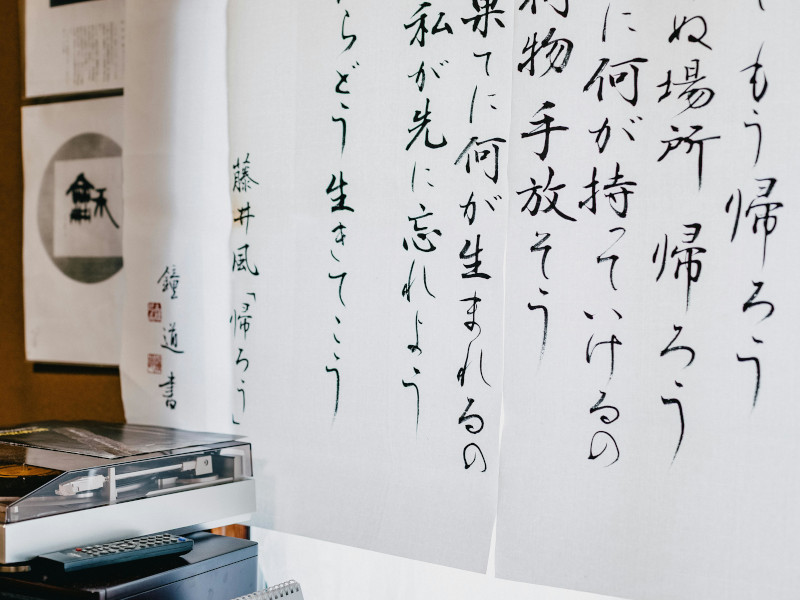
In March 2026, Prof. Kinya Sugiyama, scholar of Japanese literature at Kanazawa University, carried out a teaching mobility at the University of Bergamo within the framework of the TNE LEGO project. During his stay, he delivered a series of academic activities focused on contemporary Japanese literature, with particular attention to Mishima Yukio’s Shiosai (The Sound of Waves), and engaged in discussions with students and faculty of the Japanese language programme.
At the end of the mobility, Prof. Sugiyama shared an extensive reflection on his experience, addressing the relationship between Japanese literary studies in Japan and abroad, the potential of international academic collaboration, and the role of digital tools and artificial intelligence in literary research.
The full statement and thoughts provided by the professor is available as an attachment to this news item.
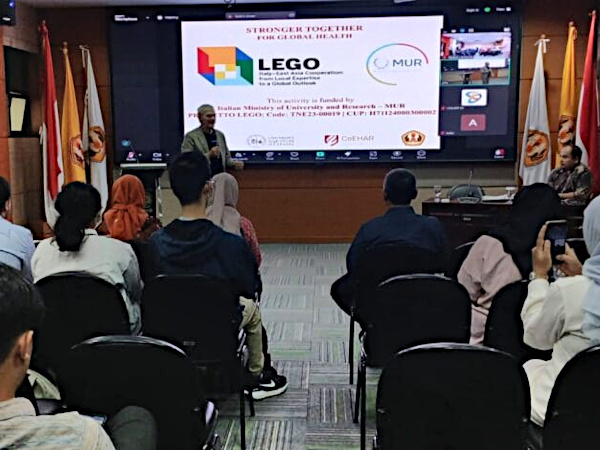
Prof. Riccardo Polosa, Full Professor of Internal Medicine at the University of Catania and founder of CoEHAR (Center of Excellence for the Acceleration of Harm Reduction), is among the first Italian academics to have launched the training and academic exchange activities envisaged by the TNE-LEGO Project.
Coordinated by Ca’ Foscari University of Venice and involving twelve Italian universities, the TNE-LEGO project aims to strengthen academic and scientific cooperation between Italy and East Asia, promoting an innovative, inclusive teaching model strongly oriented toward the international mobility of students and faculty.
Within this framework, a CoEHAR delegation traveled to Indonesia to inaugurate a cycle of seminars and workshops at Universitas Padjadjaran in Bandung, one of the country’s most prestigious public universities and a partner of the University of Catania within the project. The training activities, classified under the “Advanced Skills” initiatives, focus on tobacco harm reduction and on the prevention and treatment of smoking-related diseases, topics of particular relevance in a region characterized by a high prevalence of tobacco consumption.
The inaugural lecture, delivered by Prof. Polosa and entitled “Smoking and Sports Performance,” took place on 12 June 2025 at the School of Specialization of Universitas Padjadjaran (Unpad). The event, intended primarily for technicians and researchers in the medical field, provided an important opportunity for scientific discussion on the relationship between smoking habits and athletic performance.
The initiative represents a strategic step in the development of international academic cooperation, with a significant impact in terms of interdisciplinary training and the creation of scientific networks between Europe and Asia. Thanks to the TNE-LEGO project, the collaboration between the University of Catania and Universitas Padjadjaran — already well established through the CoEHAR research projects REPLICA and SMILE — is further strengthened.

As part of the TNE LEGO Project, from 28 January to 7 February 2026, Prof. Michele Sinico from IUAV University of Venice delivered a teaching activity in Japan at Chiba University, focusing on the Foundations of Perceptual Design.
The course explored how knowledge of perceptual processes can guide design practice, highlighting the creative power of Gestalt vision and the application of Gestalt principles in the creation of artefacts.
The course centred on designing with tertiary‑expressive qualities — a theoretical framework that spans from Gestalt psychology to experimental phenomenology and supports the development of intermodal, emotional, and atmospheric aspects in design.
The teaching activities combined lectures with hands‑on exercises. The programme was structured in two parts: an initial series of theoretical lectures followed by practical design exercises.

As part of the TNE LEGO Project Professor Marco Sangermano, member of the first board of the Japan Hub of Politecnico di Torino, completed a teaching mobility at the Kyoto Institute of Technology during the mobility period: July 20, 2025-July 31, 2025.
The teaching activity was directed to a group of master's and doctoral students, with the aim of presenting the latest developments in photopolymerization research conducted in the laboratories of the Department of Applied Science and Technology (DISAT) of the Politecnico di Torino.
The opening session highlighted the opportunities offered by the dual degree program with the Kyoto Institute of Technology (KIT), within the Materials Engineering program. The presentation also aimed to promote international collaboration and stimulate Japanese students' interest in joint study and research experiences between the two institutions.
Subsequently, the most recent results obtained by my research group were presented, focusing on advanced photopolymerization technologies for applications in the fields of functional materials and polymer devices. The initiative also aimed to promote international collaboration and stimulate Japanese students' interest in joint study and research experiences between the two institutions.
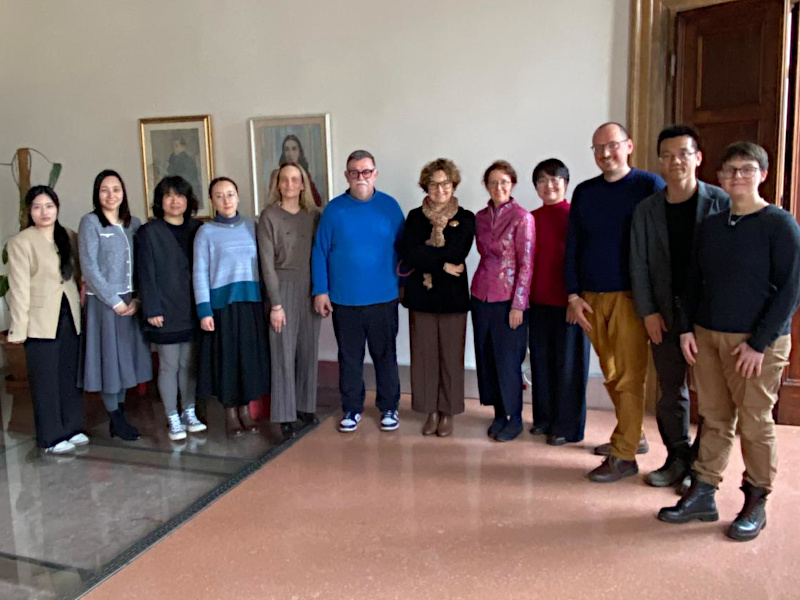
The final activities related to Advanced Skill took place during the week of 23 to 27 March 2026 as part of the TNE LEGO project funded by the PNNR. These activities represent the second and final part of the training course that began with the October session held at Nanjing Normal University (PRC). The activity was structured around two weeks of teacher training. The first week took place in Nanjing and the second here in Venice.
In both cases, the five days were dedicated to “training the trainers”: seven Asian teachers who teach Italian as a second language at their respective universities/institutions.
Organised and strongly supported by Prof. Graziano Serragiotto and Dr Silvia Scolaro, the course covered topics in language teaching with methodological insights into teaching Italian in Asian contexts.
In Nanjing, the training course began on Monday 20 October with an analysis of the historical evolution of language teaching and its influences on teaching, continuing on Tuesday with an in-depth look at multiliteracies for the development of critical thinking in the university classroom.
On Wednesday 22 October, the focus shifted to task-based language teaching with a visit to the Nanjing Museum, followed by a workshop on intercultural communication. On Thursday 23 October, the meeting explored strategies for promoting learner autonomy as social agents, in line with the Common European Framework of Reference for Languages. The week ended on Friday 24 October with an introduction to Action Research methodology, providing teachers with systematic tools to analyse and improve their daily teaching practice.
At Ca' Foscari, the weekly programme integrated methodological theory, technological innovation and cultural immersion in the context of Italian language pedagogy. The activities began with a seminar by Prof. Graziano Serragiotto on assessment strategies for Italian as a second language, followed on Wednesday by a session with Prof. Ilaria Compagnoni on the integration of AI in Italian language teaching. The following day was dedicated to the collaborative exchange of Action Research projects, while the final day on Friday featured a final seminar by Prof. Giacomo Cucinotta on the practical teaching of authentic materials.
The activity is part of a theme very dear to both the Ministry of University and the Ministry of Foreign Affairs and International Cooperation, namely the dissemination of Italian language and culture around the world.

As part of the PNRR-TNE-LEGO project, Turin Polytechnic and Tsinghua University have launched a joint research and training initiative dedicated to revitalising rural areas along ancient trails.
The initiative, entitled “Ancient Trails and Their Possible Futures: Rural Reactivation Through Architecture along the Southern Silk Road (Yunnan, China) and the Via Francigena (Italy)”, contextualises networks of ancient roads and trails as laboratories for contemporary reflection on rural areas, investigating how architecture can promote new forms of liveability and meaningful engagement beyond urban contexts.
With an intercultural and interdisciplinary approach, the initiative aims to advance research on rural areas, promoting innovative design strategies and contributing to sustainable rural development in both China and Italy.
The first phase of field research, conducted as part of the LEGO project, which contributed to the funding of the initiative, took place in Yunnan in November 2025. On this occasion, the Politecnico team interacted with local administrations and key stakeholders, exploring the social, cultural and territorial dynamics of the area. A second phase is planned along the Via Francigena in April 2026, when the Politecnico will host the Tsinghua U group.
The project is being led by the Department of Architecture and Design (DAD) at the Polytechnic, with a research team coordinated by Professor Roberto Dini (DAD, IAM) and Lidia Preti, PhD and Researcher (DAD, China Room). At Tsinghua University, the initiative is led by Professor Martijn de Geus, from the Department of Architecture at the School of Architecture. The local partner for the initiative in Italy is the Courmayeur Mont Blanc Foundation, which hosted the Politecnico di Torino team last October for an initial site visit and will continue to support the Italian-Chinese group during their visit to the Via Francigena in April 2026.
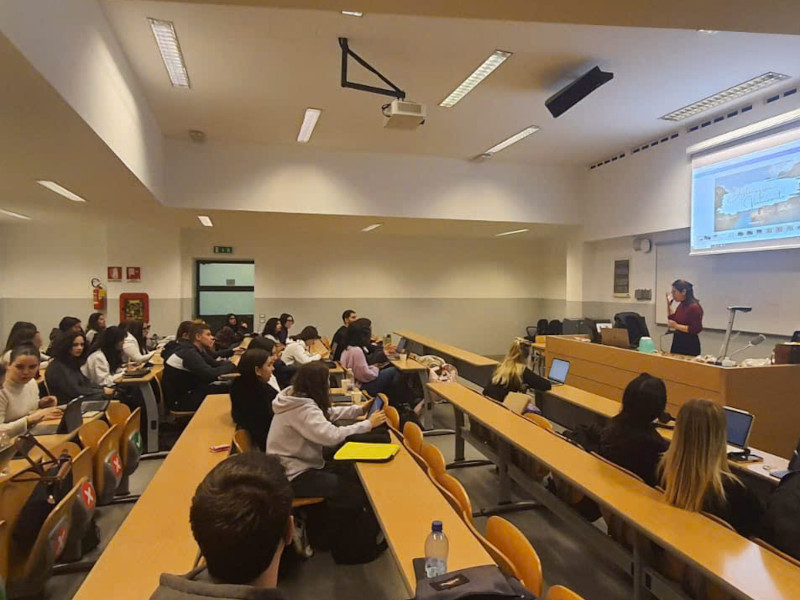
Within the LEGO project (Local Expertise to a Global Outlook), funded by the European Commission and the Italian Ministry of University and Research, the goal is to strengthen cooperation in international exchanges between Italian higher education institutions and partners in East Asia. In November 2025, Professor Nguyễn Thị Ánh Tuyết – Head of Section – and Professor Nguyễn Phan Hằng Giang – Lecturer in the Italian for Tourism Sector of the Italian Department – conducted an academic mission at the University of Bergamo to carry out exchange activities in teaching, scientific research, and collaboration development.
Teaching and seminars
Both lecturers from the Italian Department delivered lessons for students in the Bachelor's degree program in Geography of Culture at the Department of Letters, Philosophy, and Communication. The content focused on promoting tourism resources, cultural experiences, and digital-era trends in Vietnam's tourism product development.
The lessons generated great interest among students and received positive feedback from Professor Federica Burini, the course coordinator.
Workshops and academic collaborations
Beyond teaching, Professor Hằng Giang organized a seminar with University of Bergamo colleagues at the Imago Mundi Lab on "The Potential of Youth in Digital Promotion of Cultural Tourism.
Professor Ánh Tuyết collaborated with Professor Raul Mario Calzoni – Department Director – Professor Federica Burini, and Professor Thomas Persico from the Department of Letters, Philosophy, and Communication on possibilities for dual degree programs and post-graduate study opportunities for tourism-interested students, highlighting numerous affinities between the two training programs.
Language training and internships
Professor Ánh Tuyết also held working meetings with the University Language Center (CLA) faculty regarding the organization of L2/LS Italian teacher training courses, as well as meetings with representatives of partner companies involved in the annual program hosting Vietnamese tourism sector interns in Italy.
For the current academic year, the Italian Department of Hanoi University has two students on exchange at the University of Bergamo, under the LEGO project framework.
Future prospects
This series of activities marks a favorable start and promises numerous new collaboration opportunities between the Italian Department of Hanoi University and the Department of Foreign Languages, Literatures, and Cultures at the University of Bergamo.

In the context of Italian higher education increasingly oriented toward internationalization, the TNE LEGO project (“Italy-East Asia Cooperation: from Local Expertise to a Global Outlook”) is taking on a leading role. The term “TNE” stands for Transnational Education, meaning an education that transcends national borders, and in this case involves Italian universities and universities in East Asia.
On the one hand, LEGO fits into the logic of “internationalization” that is essential for Italian universities, which aim to enhance their attractiveness and educational quality in a global context. On the other hand, the focus on East Asia (a rapidly growing educational market) opens new avenues for dialogue, research, and exchange.
Among the challenges identified are: ensuring that mobility opportunities are truly accessible to all students, overcoming linguistic and cultural barriers, and guaranteeing the sustainability of the partnership even beyond the end of its funding. The project’s institutional documents highlight sustainability and replicability as key objectives.
Participation in a project like LEGO allows:
- Students to acquire intercultural and linguistic skills, developing “an international profile”
- Faculty to experiment with joint teaching methods, engage in international collaborations, and strengthen the network between Italian and Asian universities
- Universities to increase their internationalization, create double-degree programs, and reinforce global cooperation
The TNE LEGO project therefore represents a significant milestone in the broader strategy of internationalization within the Italian university system.
LEGO was created with a very concrete goal: to strengthen cooperation between Italian universities and East Asian institutions through international mobility, enhancing the excellence of each partner and bringing them into synergy. In this project, mobility is not “a trip,” but a way to build stable ties, shared languages, and collaborations that continue even after returning home.
The core of the consortium’s work has been to transform opportunities and practices – often fragmented – into a more readable and replicable system: those who depart must know what to expect, and those who host must be able to work with clear and shared tools. For this reason, LEGO invested in a comparative mapping of mobility instruments (students, faculty, and administrative staff), with the aim of identifying best practices and circulating them within the network, without burdening the experience of applicants or those managing the flows.
Another important step forward has been to give continuity to relations with Asia not only through individual exchanges, but through a “project infrastructure” that supports mobility throughout the entire cycle: preparation, implementation, bilateral traceability, and valorization of results. In this perspective, each mobility becomes an investment that opens new collaborations, fuels shared research interests, and makes it easier to design future educational initiatives within a network already rich in relationships.
The LEGO project works to ensure that international mobility is a formative experience “that lasts”: not just a period abroad, but a step capable of strengthening disciplinary, linguistic, and intercultural skills, while creating lasting connections between students and academic communities in East Asia. This is one of the project’s central levers: opening new trajectories for today’s students and making the link between universities and territories, in Italy and Asia, more solid.
The consortium’s activities show a strong emphasis on student mobility, particularly outbound, with experiences designed to dialogue with study programs and with the project’s thematic areas: Languages and Cultures, Science and Technology for Sustainability, and Management and Economics for Society. The direction is clear: mobility should not be “extra,” but a coherent part of the curriculum and an accelerator of transferable skills.
Behind the scenes, significant work has been done to make opportunities comparable and “communicable”: through shared monitoring, the consortium collected homogeneous information on calls, selections, and actual mobilities, integrating quantitative data with qualitative insights. In practice, this means learning how to improve access to opportunities, how to make them clearer for applicants, and how to increase the overall impact of experiences, turning evidence and results into operational guidelines.
On the quantitative side, monitoring confirms the centrality of students: among mobilities already reported as completed, there are over 100 outbound student mobilities and more than 20 inbound (minimum values reconstructed from evidence collected during ongoing monitoring), indicating strong outbound dynamics and room for growth to make flows increasingly reciprocal and balanced over time.
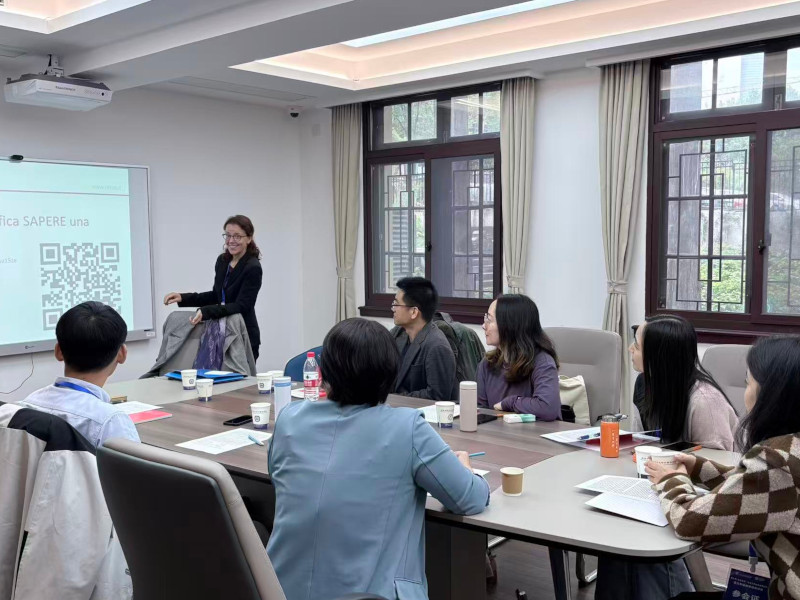
From 20 to 24 October 2025, a training course for teachers of Italian as a foreign language was held at Nanjing Normal University, involving participants from universities in People’s Republic of China, Japan, and Vietnam within the framework of the TNE-LEGO project.
The activity was part of the Advanced Skills action of TNE, designed to support the development of advanced training programs for teaching staff, administrative staff, and researchers. It was coordinated by Professor Graziano Serragiotto of Ca’ Foscari University of Venice.
The seminars, delivered by Dr. Silvia Scolaro of Ca’ Foscari, covered both general topics – such as the fundamentals of language teaching and the history of language education – and more specific approaches, including Task-Based Language Teaching (TBLT) and Action Research. Activities aimed at fostering motivation among language learners, linked to metacognitive strategies and techniques, were also addressed.
The initiative foresees a second training event in Venice from 23 to 27 February 2026, involving the same participants as the first.
Thanks to this experience, Ca’ Foscari has been able to strengthen existing partnerships, particularly with Nanjing Normal University, while also initiating new collaborations with other partner institutions. These collaborations are expected to foster further exchanges of faculty and students, promoting mutual enrichment and learning.
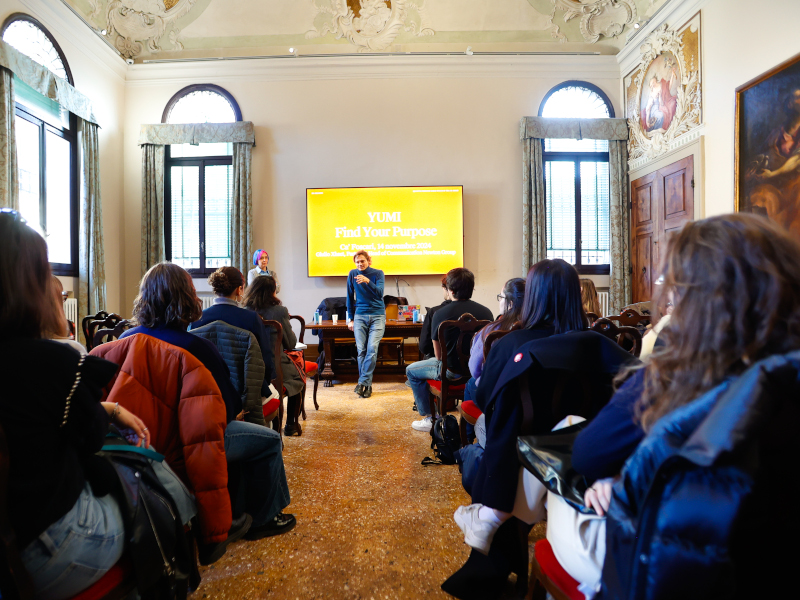
LEGO also promotes mobility in its most transformative dimension: that which involves faculty and enables the growth of teaching and scientific cooperation with East Asia. In this perspective, mobility becomes a laboratory: an opportunity to experiment with methods, co-design content, initiate collaborations, and bring back to the home university practices that can generate new opportunities for students and research groups.
The consortium’s action focuses on the quality of collaboration over time: selectivity, reciprocity, and sustainability are not abstract words, but criteria that help ensure that exchanges produce results. When faculty mobility is well connected to educational and scientific objectives, its impact “multiplies”: it can strengthen an existing partnership, open new shared research interests, and create continuity among those who teach, those who study, and those who support internationalization.
One element LEGO is emphasizing is the sharing of methodologies and resources among consortium universities, so that experiences do not remain isolated. This approach helps make cooperation less dependent on individuals and more solid as a network, because what works in one context can be adapted and reused elsewhere. This is exactly how ties with Asia are strengthened: through relationships that become working habits and build trust, year after year.
Numbers also describe this “targeted” nature: monitoring of reported mobilities shows faculty flows more selective than student ones, but still present.

When we talk about mobility, we often only see departures. LEGO is also working on what makes departures possible and sustainable: the consortium’s ability to design, manage, and improve flows over time, circulating operational skills and consolidating relationships with already active and reliable Asian partners. In this framework, the training and involvement of offices and technical-administrative staff are fundamental, because they make internationalization more accessible and less “dependent on individuals.”
An important point, to avoid misunderstandings: in monitoring, compared to the categories of students and faculty, fewer activities are recorded as “administrative staff mobility” than might be expected. At the same time, the report shows that there are missions and work visits attributable to staff contributions, which have concrete value because they support LEGO’s overall goal: making Italy-Asia cooperation more stable, more effective, and easier to manage on a daily basis. In this perspective, making the distinction between formalized mobilities and support missions even clearer and more uniform will help fully represent staff commitment and foster new dedicated training opportunities.
On the statistical front, the report’s dataset is broad and comparable: it includes 117 documents collected through surveys (from all consortium partners) and systematic acquisition. Within the corpus, 27 mobility calls/notices and related support documents are recorded, confirming a structure that emphasizes traceability, procedural clarity, and the solidity of international cooperation.
The underlying idea remains simple: when offices and staff have access to a partnership already rich in relationships and a shared heritage of methods and tools, the entire network works better. Reception and the quality of the experience for incoming participants improve, support for outgoing participants improves, and the consortium’s ability to build Italy-Asia collaborations that do not end with a single call is strengthened.
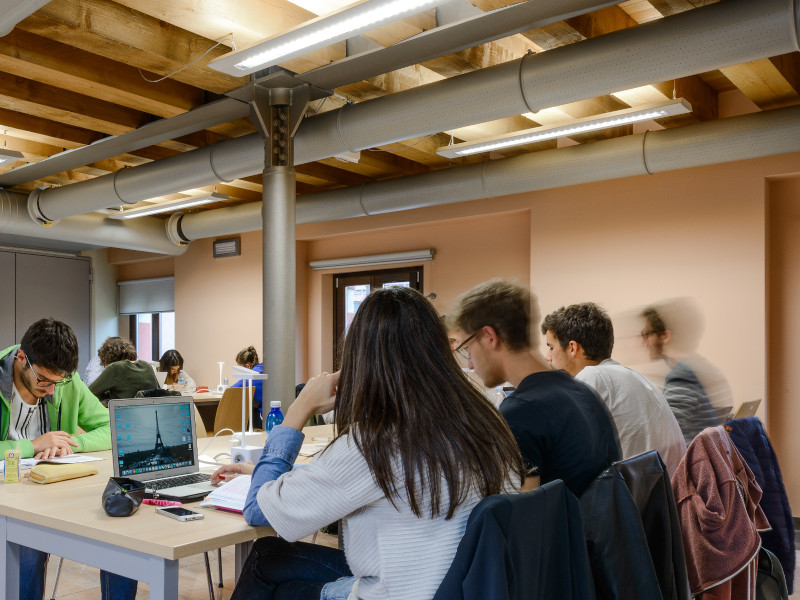
Double/Joint Degrees are among the most ambitious horizons of the LEGO project because they represent “high-intensity” cooperation: not just mobility, but programs in which universities from different countries share teaching design, mutual credit recognition, and collaboration that tends to stabilize in the long term. In this logic, mobility ceases to be an addition and becomes an integral part of the educational path, increasing the attractiveness and solidity of Italy-Asia partnerships.
The “DJD-oriented” reading of calls has been a key step in the work carried out: it serves to evaluate not only selection or requirements, but above all the ability to make institutional relations lasting, with bilateral traceability and verifiable quality. It is a change of scale: from individual exchanges to a structure that integrates teaching, mobility, coordination, and continuity over time.
Here too, numbers help to understand the direction, without needing to mention individual universities. In the DJD channel, monitoring reports one case with 20 incoming students already hosted within a double degree program and another case with 26 mobilities carried out in the DJD framework (a numerically significant package in this channel). DJD mobilities currently in progress are also reported (for example, 2 outgoing and 4 incoming on the student side) as well as situations in which mobilities are accompanied by academic missions linked to the DJD context (for example, 3 outgoing faculty mobilities together with 3 missions). Overall, internal reports describe a “targeted” use of DJD: very significant in some cases, not yet activated or recorded in others, with clear potential for growth and consolidation.