

HICAMA
History of Care in the Maghreb. Infectious diseases, healthcare infrastructures and international aid (1956-1999)
Overview
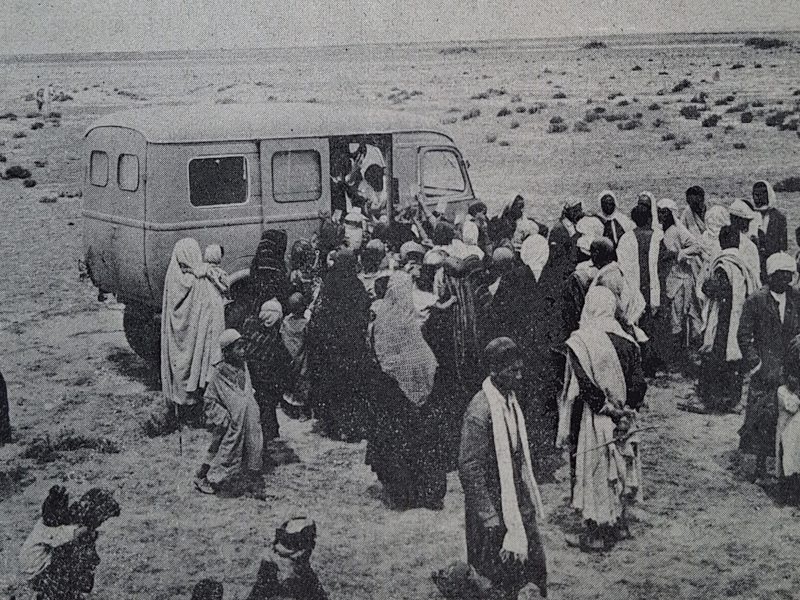
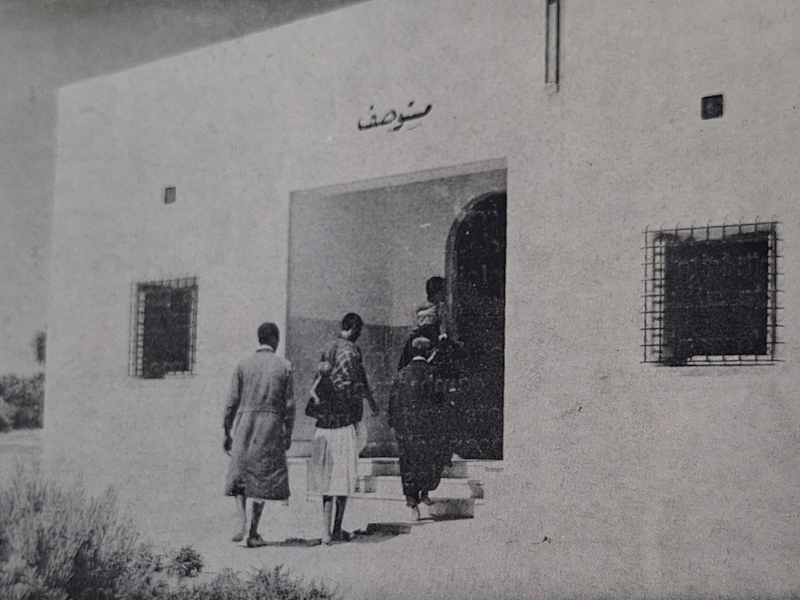
The HICAMA project explores the development of healthcare in the Maghreb region by examining the historical interactions among national sanitary institutions, civic experiences of health outreach, and international institutions involved in global health preservation. The Covid-19 pandemic has demonstrated the strategic importance of studying infectious diseases in a variety of contexts and from multiple angles. Focusing on containment and eradication programmes against infectious diseases promoted over the second half of the twentieth century, HICAMA examines the efforts made by independent Maghreb countries to combat the spread of infectious diseases transmitted through respiratory, vector-borne, contact, and sexual routes.
The project conceptualizes the fight against infectious diseases as a first and yet enduring test for healthcare systems' viability in the region. HICAMA adopts a multilayered perspective to assess local, national, and international implications of the phenomenon: it takes into account Algerian, Moroccan, and Tunisian sanitary endeavors against infectious diseases, the role of international donors (WHO, World Bank) in directing Maghrebi healthcare politics, and considers the local and gendered practices of care implemented by associations active for decades to promote outreach programmes. Drawing on archival sources, official and press sources, and interviews, the project employs a novel methodology that combines archival research, oral history, institutional and gender analysis. By recasting healthcare as a prism through which nation-building, international relations, and local activism can be reassessed - a methodology reproducible also in other contexts - HICAMA aims to have a major impact on the history of the modern Maghreb. Ultimately, HICAMA includes research, communication and dissemination activities in the Maghreb, Europe, and the United States that will enhance the Fellow's research skills and her global approach in studying the history of the MENA region.
Project
Covid-19 pandemic has proved the strategic importance of research in infectious diseases and healthcare infrastructures in a variety of contexts and from multiple perspectives: medical, (geo)political, social, and historical. As a historian of the Middle East and North Africa, my interest in the subject stems from the evidence that the fight against infectious diseases in the post-colonial Maghreb countries (Morocco, Algeria, and Tunisia) lacks both an in-depth and a multileveled consideration. I am exploring this topic through a Marie Skłodowska-Curie Actions (MSCA) Global Postdoctoral Fellowship (PF), conducted at Ca’ Foscari University of Venice (UNIVE) and the University of Maryland (UMD), in collaboration with the Department of History and Civilization at the University of Casablanca (Morocco) and the National Library of Medicine (NLM) of the National Institutes of Health (NIH, Bethesda, Maryland, US).
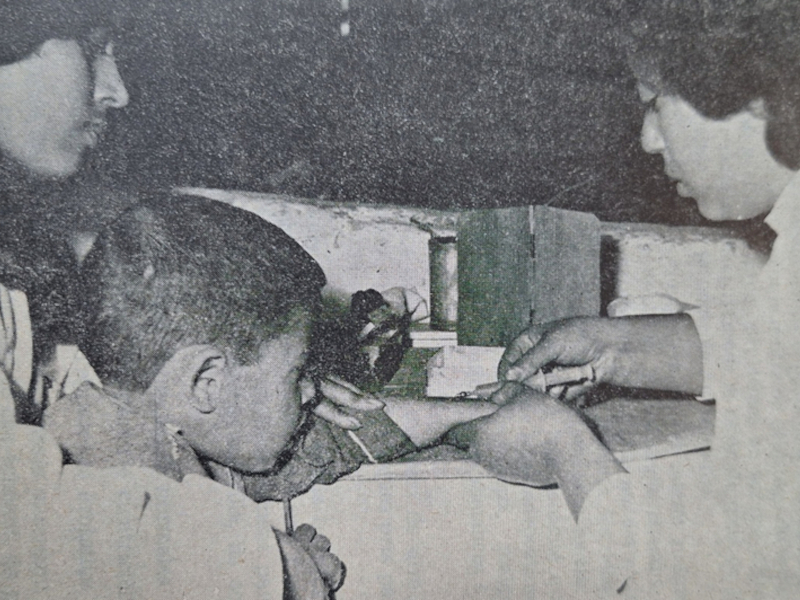
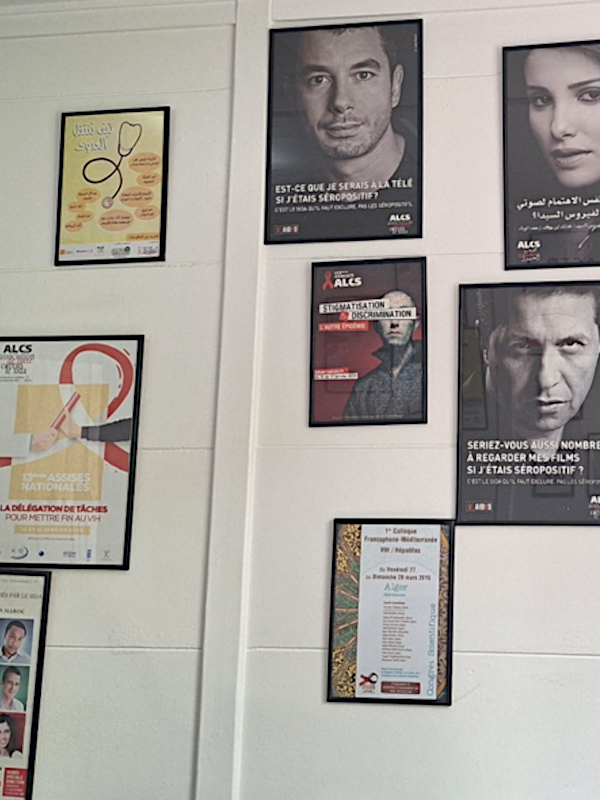
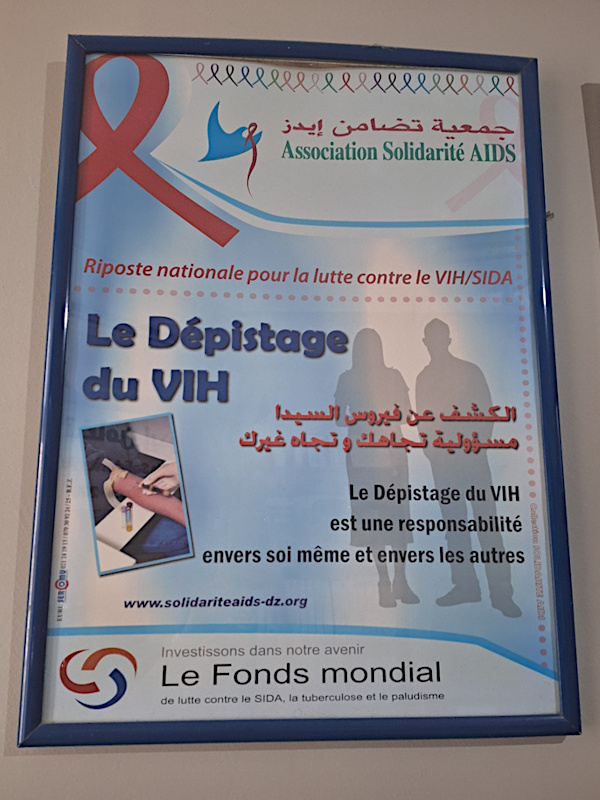
The project, entitled “HICAMA – History of Care in the Maghreb. Infectious diseases, healthcare infrastructures and international aid (1956-1999)”, aims to investigate the implementation of the healthcare systems in Morocco, Algeria, and Tunisia in relation to the containment and eradication of infectious diseases in the second half of the twentieth century. While acknowledging the colonial legacy of the Maghreb sanitary institutions, HICAMA retraces the emergence of (health)care in the independent Maghreb in opposition to the colonial notion of “hygiene” rooted in the French “mission civilisatrice”. The formation of national sanitary services aimed at providing individuals with medical aid is considered a result of their newly acquired citizenship rights. HICAMA conceptualizes the historical relevance of the efforts made to combat the spread of tuberculosis, trachoma, malaria, and a HIV/AIDS, and focuses on the fight against infectious diseases as a first and yet enduring test for Maghrebi healthcare infrastructures’ viability.
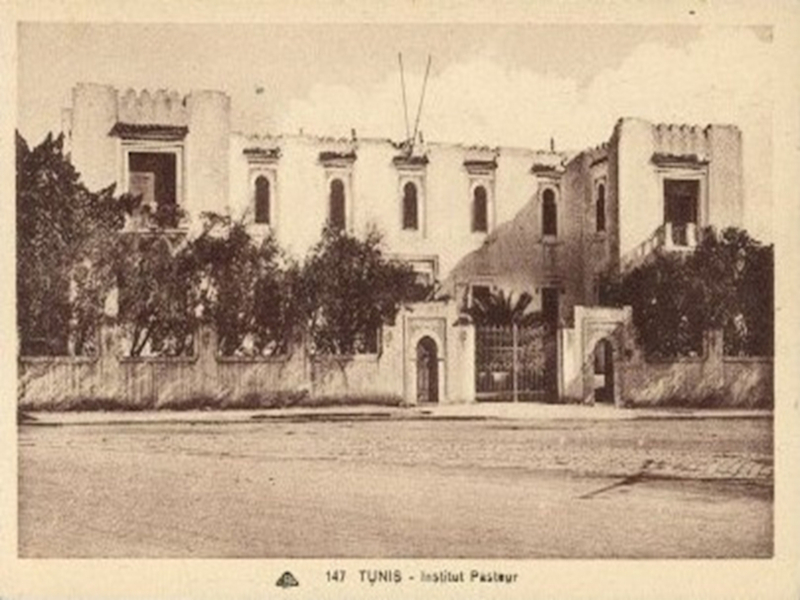
The project examines the historical and multileveled relationships between state sanitary agencies, international institutions active in global health preservation, and civic experiences of health outreach to determine how healthcare was implemented in the Maghreb region. As such, HICAMA recasts healthcare as a prism through which Maghreb countries’ development, international relations and social history can be reevaluated. That will be accomplished by considering the national reestablishment of sanitary infrastructures, the role of international donors in directing Maghrebi healthcare politics, and the practices of care implemented by local associations that have been actively promoting health outreach against infectious diseases for decades.
Objectives
The project’s overarching goal is to improve academic and public awareness of the strategies and actions implemented in the Maghreb to prevent and combat the spread of infectious diseases, analyzing local, national, and international implications. In doing so, HICAMA sets the following three Specific Objectives (SO):
SO1. Examine the connections between healthcare infrastructures, the struggle against infectious diseases, and nation-building in Morocco, Tunisia, and Algeria
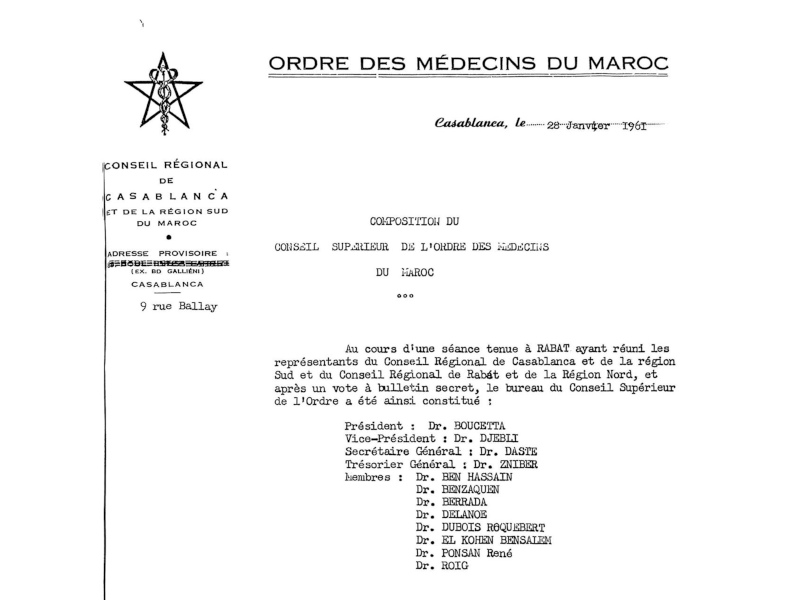
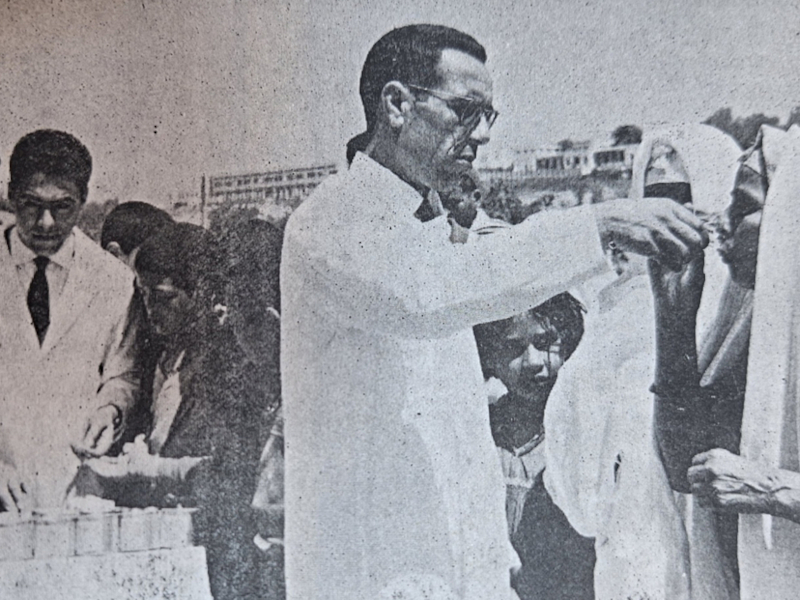
It will be assessed how the commitment against infectious diseases bolstered the independent sanitary systems, as well as how nationalizations and the re-establishment of healthcare institutions contributed to the growth of the newly independent nations. The goal is to examine how independent Maghreb countries addressed public health challenges and implemented interventions in response to health emergencies, particularly through immunization and vaccination campaigns and programmes. As healthcare is also biopolitics, it will be considered how Maghreb authoritarian states wielded their power over the healthcare infrastructures. The factors that led to the implementation of health policies and sanitary reforms will be evaluated, as well as the pressing need to develop a medical bureaucracy, provide sanitary staff training, and give university level medical education.
SO2. Investigate the dynamics of “sanitary diplomacy” between Maghrebi institutions and the international organizations involved in the fight against infectious diseases
The process of nationalizing healthcare did not deter newly independent countries from seeking international aid. SO2 aims to demonstrate how postcolonial nations profitably engaged in a “sanitary diplomacy” with international organizations promoting health policies that adhere to international standards. In this sense, HICAMA seeks to understand how the World Health Organization (WHO), which sponsored eradication and control campaigns against major infectious diseases in the Maghreb during the 1960s and 1970s, channelled financial aid, and provided logistical support for their implementation. Particular attention will be paid to the ways in which these campaigns were implemented on the ground, the negotiation of their terms and priorities, and the emergence of national actors who played an important role in adapting and shaping international campaigns to local contexts.
SO3. Historicize the impact of civil society’s “health activism” against infectious diseases, taking gender into account
The objective is to assess the contribution of NGOs to healthcare, their agency in implementing national guidelines for infectious disease control, and the evolving role of women in taking concrete action against infectious diseases. While some anti-tuberculosis associations were already active in the early postcolonial period, civil society health organizations expanded significantly from the late 1980s onwards, with women playing a prominent role as volunteers in public health campaigns and local healthcare services. The project examines practices of care promoted locally by civic actors, drawing on the notion of “health activism” to conceptualize a distinctive form of activism aimed at improving people’s lives, fostering public awareness of health issues, and strengthening community engagement in infectious disease prevention and control.
Publications
- Biondi, Martina, «Crafting Sanitary Diplomacy: Morocco and Tunisia in the World Health Organization and the Struggle Against Infectious Eye Diseases (1956-1960)», “The Journal of North African Studies” (October 2026), 1-30
- Biondi, Martina «Colonial Biopolitics», in: “The Lausanne Project”, 19 June 2026 (informative article)
- Biondi, Martina, «Donald S. Fredrickson: An American Physician at the Court of King Hassan II of Morocco», in: “Circulating now. From the Historical Collections of the National Library of Medicine”, April 2 2026 (informative article)
- World Health Organization Archives (Geneva, October 2026)
- The New York Public Library - Manuscripts and Archives Division (New York, July 2026)
- The New York Academy of Medicine Library - Rare Book and Manuscript Collection (New York, July 2026)
- Rockefeller Archive Center (New York, July 2026)
- United Nations Archives (New York, May 2026)
- National Archives and Records Administration (College Park, MD, January 2026)
- National Library of Medicine (Bethesda, MD, January 2026)
- Library of Congress (Washington DC, December 2025)
- Centre des Archives diplomatiques de la Courneuve (Paris, August 2025)
- Algerian National Archives (Algiers, July 2025)
- Centre National de Documentation du Maroc (Rabat, April-May 2025)
- Moroccan National Archives (Rabat, April-May 2025)
- Centre National de Documentation de la Tunisie (Tunis, February 2025)
- Tunisian National Archives (Tunis, January-February 2025)
- Archives Nationales de France (Paris, September 2024 and August 2025)
- Centre des Archives Diplomatiques de Nantes (Nantes, September 2024)
- Bibliothèque Nationale de France (Paris, September 2024 and August 2025)
News and events
- Invited seminar, “Public health after Empire: Infectious Diseases, Immunization, and International Medicine in the Maghreb” [FRA], Institut des humanités en médecine, Université de Lausanne, Switzerland (October 19, 2026)
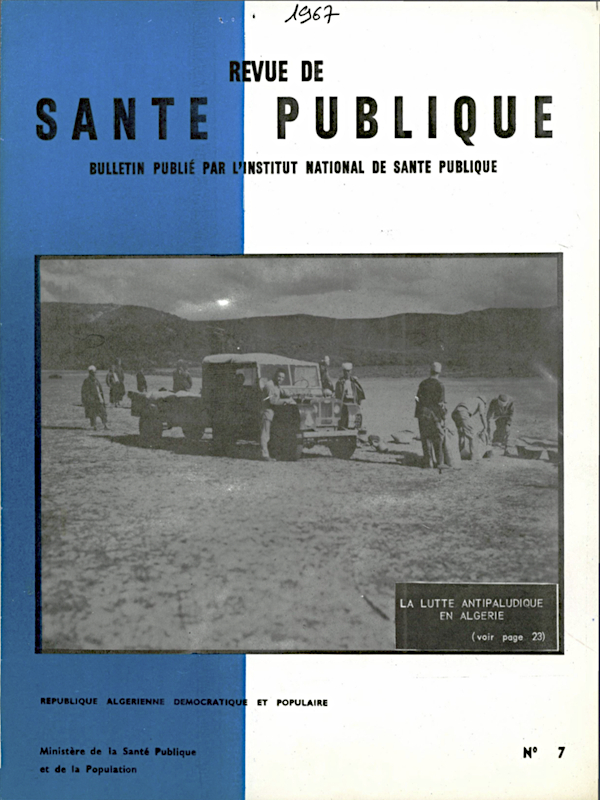
- Invited seminar, “Caring for the Masses. Malaria Immunization Campaigns in Independent Algeria”, Department of History, Middle East Section, University of Maryland in College Park, U.S.A. (September 28, 2026)
- VIII ASAI Conference, University of Pavia (July, 1-3 2026). Presentation: “Environmental Sanitation, Medical Care, and Water Infrastructures. The Fight Against Malaria in (Post)Colonial Algeria”. Panel: Water, Diseases, and Health in African History
- XIII SISI National Congress – Italian Society of International History, University of Perugia and Università per Stranieri (June 18, 2026). Paper presented: “Morocco and Tunisia in Mass Trachoma Control Campaigns (1956-1969): Health Diplomacy and the Role of the WHO”
- Panel co-organizer, “Sanitary Internationalism in the Middle East and North Africa. Actors and assistance programmes in the second half of the XX century". VIII SISI Conference, University of Perugia and Università per Stranieri (June 18, 2026) – with Anna Baldinetti
- International Workshop, “History of Health in the Maghreb. Colonial Biopolitics, Postcolonial Challenges and International Healthcare (1830-1980)”, Miller Center for Historical Studies and Department of History, University of Maryland in College Park (May, 4-5 2026). Paper presented: “Towards a Multilayered History of Health and Medicine across the Maghreb and the Mediterranean”
- HICAMA Mid-Term Workshop co-organizer, “History of Health in the Maghreb. Colonial Biopolitics, Postcolonial Challenges and International Healthcare (1830-1980)”, Miller Center for Historical Studies, University of Maryland, College Park, MD (May 4-5, 2026, forthcoming) – with Peter Wien. Call for papers - deadline 25/11/2025; Programme 4-5/05/2026
- LIX Middle East Studies Association (MESA) Conference, Washington, DC (November 24, 2025). Paper presented: “The Refoundation of Moroccan and Tunisian Postcolonial Healthcare and the Place of the Struggle Against Infectious Diseases (1956-1986)”
- Panel co-organizer “Nationalism, public health, and medical institutions in North Africa and the Middle East. Colonial and postcolonial encounters (19th-20th centuries)”. Middle East Studies Association (MESA) Conference, Washington, DC (November 24, 2025) – with Peter Wien
- Invited Doctoral Seminar, University of Perugia, Department of Political Science, “Postdoctoral Research Prospects: the Marie Skłodowska-Curie Postdoctoral Fellowship” (November 19, 2025)
- Seminar at the Centre National de Recherche en Anthropologie Sociale et Culturelle (CRASC), Oran, Algeria - Division Socio-anthropologie de l’histoire et de la mémoire (HistMém) (July 14, 2025). Presentation: “Santé en Algérie : regards nationaux et locaux dans une perspective historique”
- XII SISI National Congress – Italian Society of International History (Univesity of Padua, Department of Political Sciences, Law and International Studies, June 5, 2025). Paper presented: “The Maghreb and Health Diplomacy: The First Steps of Independent Morocco and Tunisia in the World Health Organization (1956-1961)”
- Seminar at the Department of History and Civilization, University of Casablanca Ben M’sik (24 May 2025). Paper presented: “Pour une histoire de la santé au Maroc. Dimensions nationale et internationale lors du tournant de 1959”
- Invited Doctoral Seminar, University of Casablanca Ben M’sik, Department of History and Civilization, “Rédiger un projet MSCA gagnant: opportunités et défis pour la recherche historique sur l’Afrique du Nord” (May 24, 2025)
- European Social Science History Conference (University of Leiden, March 27, 2025). Paper presented: “Bringing Healthcare to History’s Core. Sanitary nation-building and practices of local outreach in contemporary Tunisia”. Panel: New Perspectives on health, education and religion in Africa
Team

Principal Investigator
Ca' Foscari University of Venice

Tutor
Ca' Foscari University of Venice

Tutor
University of Maryland